152 Elizabeth St, Melbourne VIC 3000, Australia
Termite inspection and treatment in Sydney
★★★★★ 5.0

Termite Treatment Sydney

Found mud leads, damaged timber or winged insects indoors? Leave them undisturbed and call us. We trace the activity with thermal imaging, identify the species, then recommend the termite treatment Sydney homes actually need, whether that is a soil barrier, a baiting program or direct nest work. You see the findings and a written quote before anything starts.

Same-day termite pest control
Thermal imaging inspections
Written 6-month warranty
Licensed & accredited

Licensed Termite Specialists Working Across Sydney

LicensedNSW pest management licence
6-MonthWritten treatment warranty
Thermal ImagingOn every termite inspection
5.0 Rating150+ Google reviews
Treatment options

Termite Treatment Solutions for Sydney Properties

The right termite treatment depends on the species and how the building meets the ground. Subterranean termites cause most of the damage in Sydney and come up from the soil, which the three systems below are built to stop. Drywood and dampwood termites live in the timber itself and are treated there.

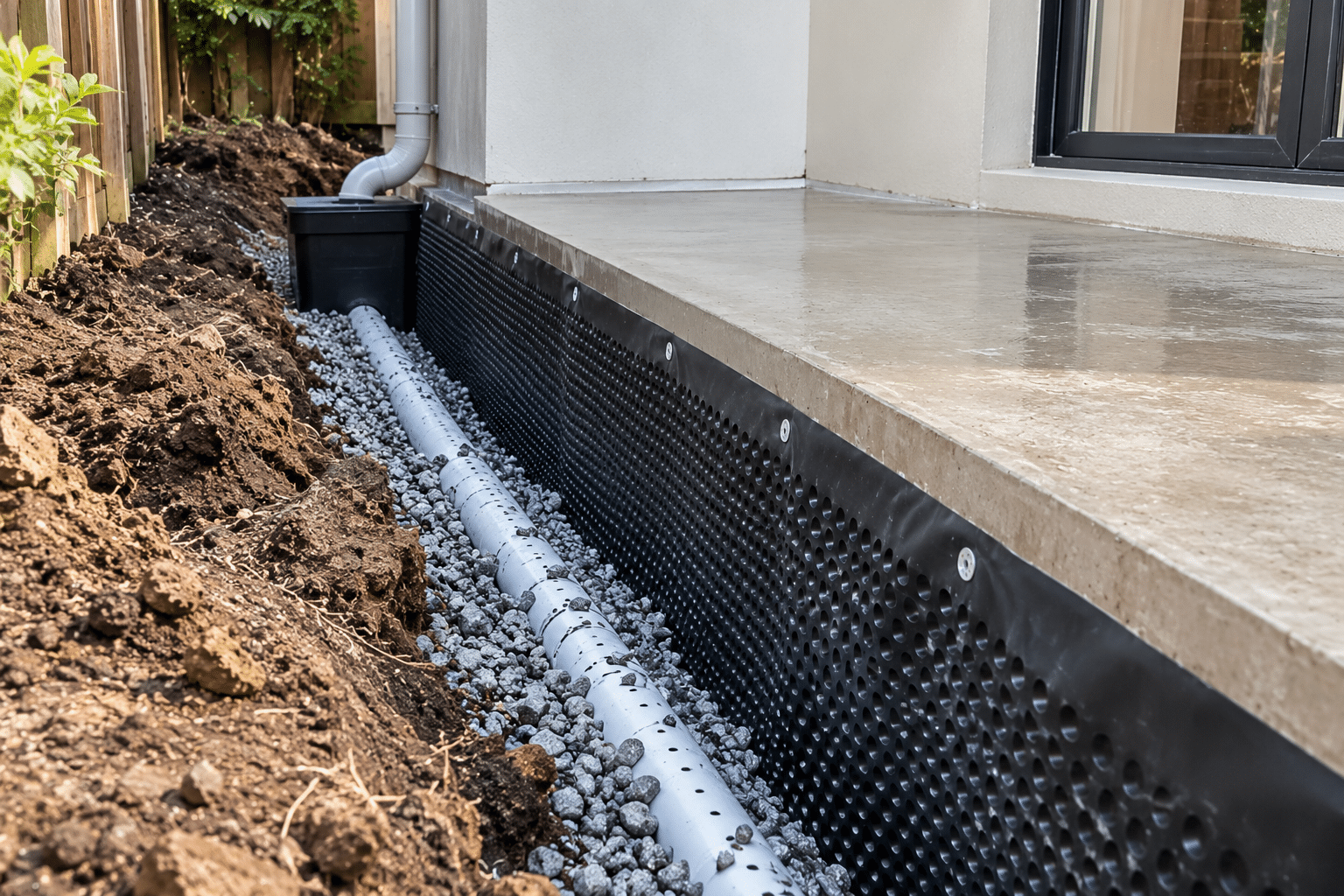
Trench along the footings of a Sydney home prepared for a chemical soil barrier treatmentPerimeter protection

Chemical Soil Barrier Treatment

A chemical soil barrier treatment is the most common way to protect an established Sydney home. We trench the garden beds and drill through paths at set spacings along the footings, then apply a non-repellent termiticide such as Termidor HE at the label rate. Termites cannot detect the treated zone, so they pass through it, pick up the termiticide and spread it to nestmates. It suits homes with open access around the perimeter.

Best for
Slab and brick homes with perimeter access
How it works
A treated soil zone around the building
Disruption
Trenching and drilling along the perimeter
Ongoing care
Annual inspection, renewal per product label
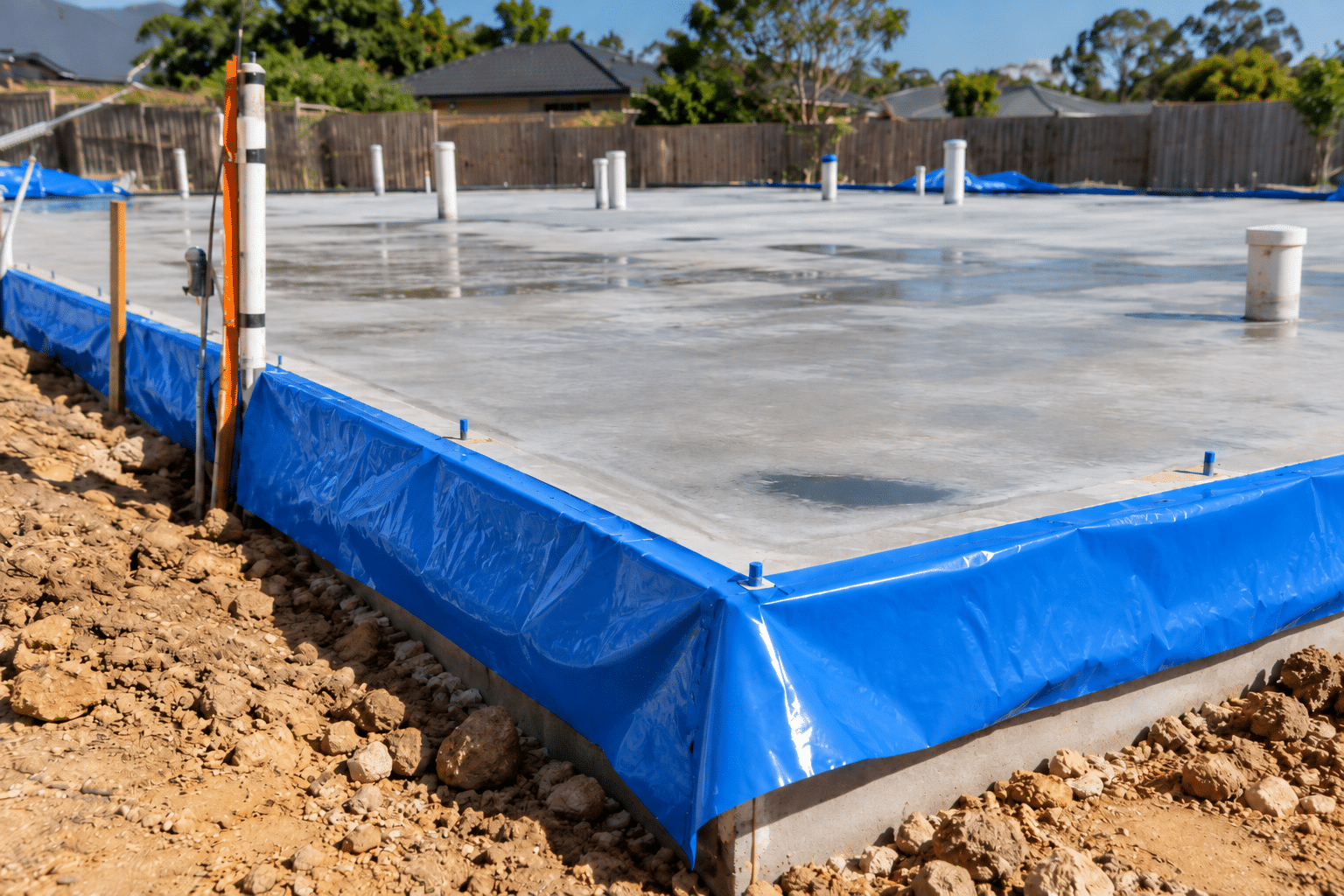
Termite barrier membrane fitted around a concrete foundation on a Sydney building siteBefore the slab pour

Termite Barrier Installation

New homes, extensions and granny flats need termite protection in place before the slab is poured. We fit termite collars around pipe penetrations, lay under-slab membranes and slab edge barriers, and treat the soil where a chemical zone is specified, all to AS 3660.1. At the end you receive the durable notice your certifier asks for. Our termite barrier Sydney page shows how each stage fits your build.

Best for
New homes, extensions and granny flats
How it works
Collars, membranes and slab edge barriers
Timing
Staged around your slab pour
Ongoing care
Keep the slab edge exposed, inspect yearly
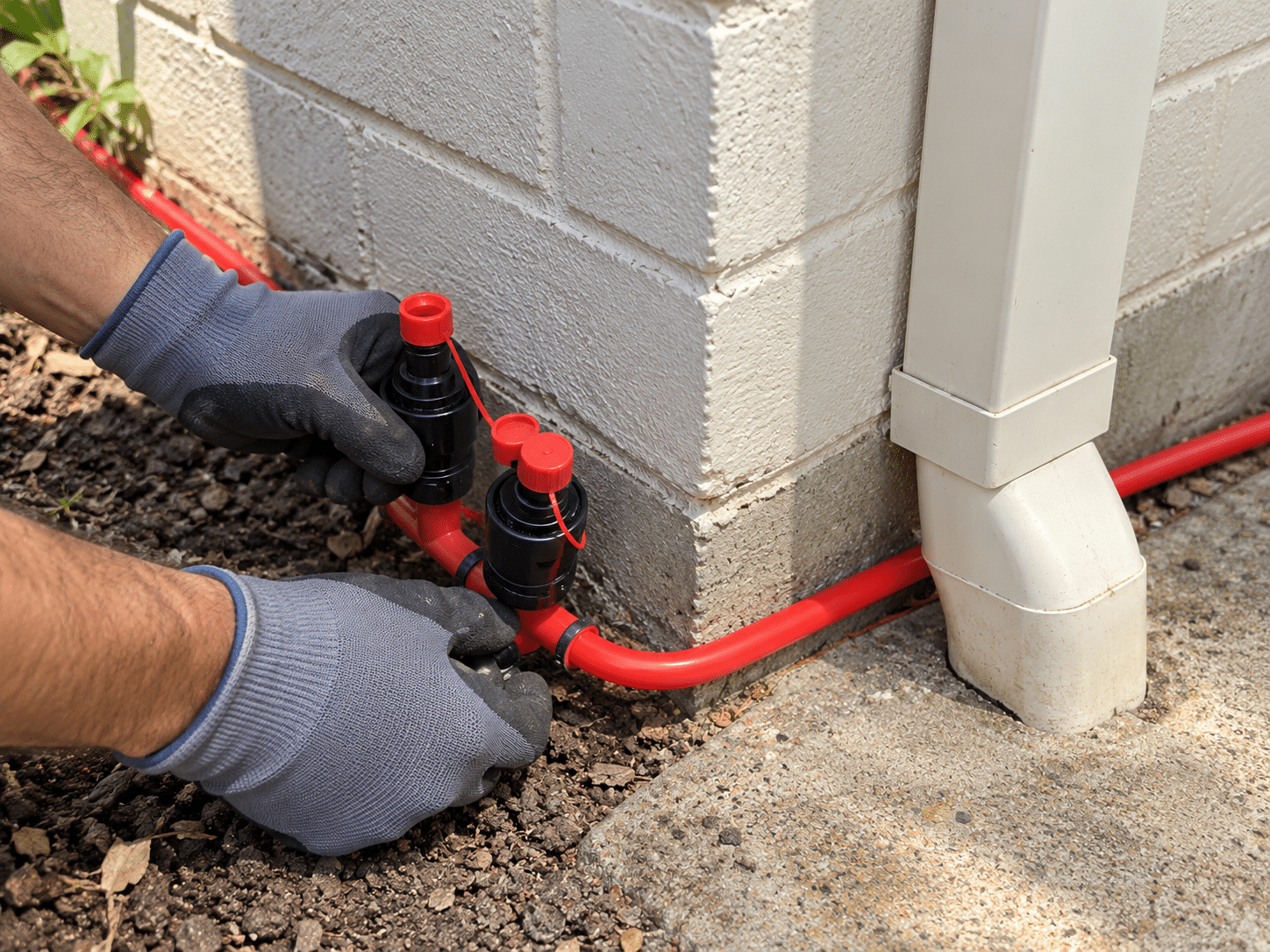
Termite reticulation pipe being installed along the footings of a Sydney homeNo digging at refill time

Termite Reticulation System

A termite reticulation system is a network of perforated pipes laid in the soil along the footings, and under the slab on new builds, running back to capped fill points outside. When the treated zone reaches the end of its labelled life, we pump fresh termiticide through the pipes instead of lifting pavers or digging up garden beds. We install new systems and also test, refill and repair existing ones. Our termite reticulation page explains how servicing works.

Best for
Homes surrounded by paving or concrete
How it works
Termiticide pumped through buried pipes
Disruption
No digging when it is time to refill
Ongoing care
Recharge at the end of the label life
Homes, strata and commercial

Reliable Termite Control for Sydney Homes and Businesses

A weatherboard cottage on piers, a brick villa on a slab and a strata block with shared gardens all give termites different ways in. Before recommending termite control, we look at construction, the soil line, drainage and nearby trees, because those details decide where a colony is likely to forage and where protection belongs.

Residential termite inspection and treatment in Sydney
For Homes

Residential Termite Inspection and Treatment

Many enquiries come from owners who have spotted something odd, or who have not had the house checked for a while. Our residential termite inspection and treatment is where termite control starts, covering subfloor, roof void, rooms, garage, fences and garden edges. If termites are active, you get a written plan that eliminates the colony before any barrier goes in. Buying a home? Ask about a pre-purchase timber pest inspection.

  • Subfloor, roof void and perimeter inspected
  • Report with photos and moisture readings
  • Colony treated before protection is installed
  • Pre-purchase timber pest reports available
Residential pest control in Sydney
Commercial and strata termite management in Sydney
For Strata and Businesses

Commercial and Strata Termite Management

For strata committees, property managers and business owners, commercial and strata termite management is about records as much as treatment. We schedule inspections around tenants and trading hours, report on each building separately and keep a clear history of findings, treatments and station checks. That paper trail helps when owners raise questions at the AGM, when an insurer asks for evidence or when a property goes to sale.

  • Building-by-building inspection reports
  • Access planned around residents and staff
  • Barrier, baiting or reticulation options
  • Inspection history kept for your records
Commercial pest control in Sydney
Warning signs

Signs You Need a Termite Inspection in Sydney

Termites eat timber from within and shun daylight, so damage often stays hidden until it is advanced. If you spot any of these signs, do not spray, scrape or break open the workings. Disturbed termites move on and resurface elsewhere, which makes the colony harder to trace. Take a photo, leave it intact and book an inspection.

Mud Leads on Piers, Slab Edges and Walls

Termite mud tubes are narrow tunnels of soil and saliva that let workers travel between the ground and timber without drying out. Check subfloor piers, the exposed edge of the slab, behind downpipes, and anywhere garden beds meet brickwork. A tube that looks dark and damp usually means current activity rather than an old problem, and that is the moment to call for an inspection.

Timber That Sounds Hollow or Feels Soft

Termites leave a thin skin of timber or paint on the surface, so damaged skirting boards, door frames and architraves can look perfectly normal. Tap gently with the handle of a screwdriver. A papery, hollow sound, a soft spot or fine soil packed into a crack all point to feeding underneath. We confirm it with a moisture meter and thermal camera rather than cutting into your walls.

Winged Swarms and Discarded Wings

On warm, humid evenings in late spring and summer, mature colonies release winged termites to start new nests. Piles of identical shed wings on window sills, near light fittings or along skirting boards suggest a colony is close by. Flying ants are easily mistaken for termites, so take a close photo of the insects or wings and read our guide to termites versus ants.

Bubbling Paint and Damp Patches on Walls

Subterranean termites carry moisture into the timber they feed on. That can show up as paint that bubbles or ripples, plaster with damp patches that do not match any leak, or tiny pinholes ringed with soil. When these appear on a wall with no obvious water source, termites working in the frame behind it are a real possibility worth ruling out. Our article on why termites are hard to detect explains why.

Sticking Doors and Floors That Give Underfoot

As termites hollow out bearers, joists and wall studs, the structure starts to move. Doors and windows that suddenly jam, floors that feel springy and fresh cracks in cornices can all follow. These signs usually mean the damage has been building for some time, so the inspection should also confirm how far it has spread and whether a builder needs to assess the timber.

Same-day inspections

Found Termites? Book a Termite Inspection in Sydney Today

Do not spray or disturb them. Call 0468 288 969 or send the form with what you found and where, and we will book a licensed termite inspection. Call before midday and we can often attend that afternoon. You see the findings and a fixed written quote before any treatment starts.

Termite inspection at a Sydney property by Apex Pest Control
How it works

How Termite Pest Control in Sydney Works With Us

Effective termite removal means reaching the colony, not just killing the termites you can see. Every job follows three stages, so you know what is happening at each point, what it will cost before any work starts and what needs to happen afterwards to keep your property protected.

Step 01

Inspect, Identify and Map the Activity

Your inspection follows AS 3660.2 and covers the subfloor, roof void, interior, garage and grounds. Thermal imaging, a moisture meter and sounding tools trace the activity and tell us whether you have subterranean, drywood or dampwood termites. You receive a photo report and an itemised price in writing.

Step 02

Treat the Colony, Then Protect the Building

With your approval, we treat the active termites first, using dust, foam or bait depending on where they are working. We then install the long-term protection that suits your site. Every product is APVMA registered and applied at the label rate.

Step 03

Follow Up, Re-Inspect and Record

We return to confirm the activity has stopped, record every visit and back your treatment with a 6-month written warranty. We also flag anything that could invite termites back and book your next annual inspection so protection does not lapse.

What to expect

What Happens When You Book Termite Treatment in Sydney

Every termite job starts with finding out exactly what you are dealing with.

The Termite Species Confirmed First

Subterranean, drywood and dampwood termites live and feed differently, so we confirm the species and how far the activity has spread before recommending a treatment.

Treatment Matched to Your Property

Depending on the activity and how the home is built, the plan may be a colony treatment, a chemical soil barrier or a termite reticulation system.

A Written Report and Annual Checks

You receive a written report of what we found and treated, and we recommend an inspection at least every 12 months, in line with AS 3660.2.

Why Apex

Why Choose Apex as Your Termite Exterminator in Sydney

Good termite control rewards patience and punishes shortcuts. A rushed spray can scatter a colony and leave the real damage untouched. Here is what you can expect when you book Apex, whether it is a first inspection, an active infestation or ongoing protection for a property you have owned for years.

Licensed, Insured and Accountable

Apex works under NSW pest management licensing and carries full public liability insurance. The termite exterminator who inspects your property explains the findings in plain language and stays responsible for the job through to the follow-up visit.

Detection Tools That Find Hidden Activity

Termites rarely show themselves, so we do not rely on sight alone. Thermal imaging, a moisture meter and careful sounding show where they are working behind plasterboard, which keeps holes and disruption to a minimum.

Clear Findings and a Fixed Written Quote

Before any treatment starts, you receive written findings and a set price explaining what we recommend and why. If a simpler option will do the job, or there are no termites present, we tell you plainly.

Same-Day Attendance When Termites Are Active

Live termites or a settlement deadline should not wait. Call before midday and we can often attend that afternoon, weekends included, from the Eastern Suburbs and Inner West to the Hills District, Western Sydney and the Sutherland Shire.

Common questions

Sydney Termite Treatment FAQs

Straight answers to the questions Sydney property owners ask us most about termites.

What should I do if I find termites in my house?

Leave them alone and call a licensed termite professional. Do not spray, scrape off mud tubes or break into damaged timber, because disturbed termites abandon that spot and keep feeding somewhere harder to find. Take photos, note where you saw the activity and keep children and pets away from it until it has been inspected and a treatment plan is agreed.

How much does termite treatment cost in Sydney?

It depends on the treatment method, the size of the building and its perimeter, whether it sits on a slab or piers, the soil type and how much concrete or paving needs drilling. Baiting systems also involve ongoing station checks. Because these factors vary so much, we inspect first and then give you a fixed written quote, so the price you approve is the price you pay.

What is the most effective termite treatment in Australia?

The most effective approach has two parts: eliminate the active colony, then protect the building so a new one cannot get in unnoticed. Non-repellent soil barriers and baiting systems both work well when installed properly. Which suits you depends on access, construction and surroundings, and regular inspections are what keep either one working.

Can termites be eliminated?

An active colony can be eliminated, and that is the aim of every treatment we carry out. What cannot be removed is the risk, because new colonies live in the soil, trees and stumps around most Sydney properties. That is why we pair treatment with ongoing protection and recommend inspections at least once a year to catch new activity early.

Can I treat termites myself with hardware store products?

Retail sprays and dusts usually kill only the termites they touch, which pushes the rest of the colony deeper into the building. Professional termiticides are designed to be carried back through the colony, and many are restricted to licensed operators. If you have already sprayed, tell us when you book so we can plan the inspection around it.

Is termite treatment included in general pest control?

No. A general pest treatment targets common household insects and does not protect your home from termites. Termite control is a separate service with its own equipment, products and reporting. If you book both on the same visit, we quote and report on them separately so you can see exactly what each one covers.

How often should a Sydney property have a termite inspection?

At least once every 12 months, which is the interval recommended in AS 3660.2. Homes near bushland, with timber subfloors or a history of termites benefit from checks every six months. Regular inspections are often a condition of termite warranties too, and they are the lowest-cost way to find activity before it turns into structural repairs.

Which termites do the most damage around Sydney?

Subterranean termites, particularly the Coptotermes genus, are behind most of the serious damage we see. Their colonies nest in the ground, tree trunks and old stumps, then tunnel through soil to reach building timbers. Schedorhinotermes species are also common around Sydney homes. Our article on common termite species in Australia explains how to tell them apart.

What is the difference between subterranean, drywood and dampwood termites?

Subterranean termites nest in the soil, trees and stumps and travel to buildings through mud tubes, which is why soil barriers and reticulation systems work against them. Drywood termites live inside dry timber with no soil contact and are far less common in Sydney, so they are treated directly in the timber. Dampwood termites feed on wet or decaying timber, and control starts with fixing the moisture and removing the rotted wood.

Will termite treatment repair the damage to my timber?

No. Treatment stops the termites, but damaged bearers, studs or flooring need a builder or carpenter to repair or replace them. We note every affected area in your report so you have a clear record. Check your insurance early as well, because most home policies exclude termite damage. Our guide to how much damage termites can do covers what to expect.

Do you install termite protection for new builds and extensions?

Yes. New homes and extensions need termite protection that meets the building code, timed around the slab pour. We fit collars, membranes and chemical zones in stages and supply the durable notice your certifier asks for. Send us your plans and pour date, and see our termite barrier Sydney page for how each stage fits your build.

Are termite treatments safe for children and pets?

Yes, when applied correctly. Soil treatments sit underground or against the outer face of the footings, and bait stations are sealed and tamper-resistant. We use APVMA-registered products at label rates and, before we leave, tell you how long to keep children and pets away from treated areas, which is usually just until surfaces are dry.

Written quote

Get a Written Termite Quote for Your Sydney Property

Describe the signs, where they turned up and when the property was last checked. We will lock in a time, inspect properly and give you a clear recommendation for termite treatment in Sydney, priced in writing. Call 0468 288 969 or send the form. Need help with other pests too? See our pest control services in Sydney.