
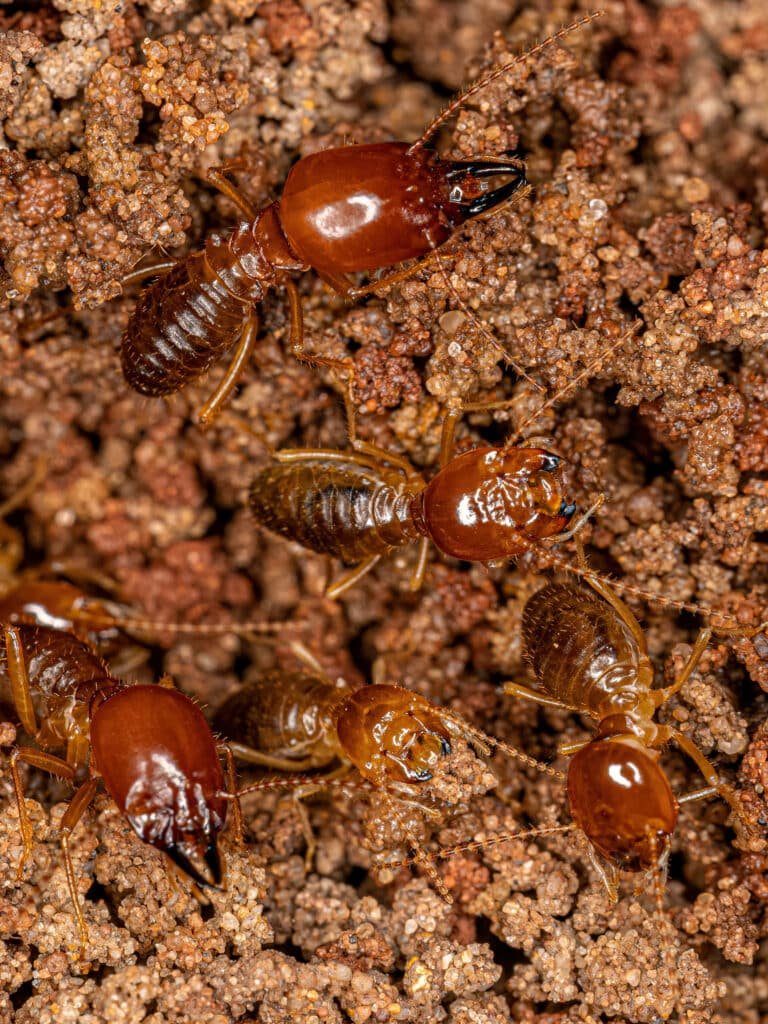
You might think your home is safe. No visible damage, no obvious signs, nothing that raises alarm. But termites do not work where you can see them. By the time most homeowners realise there is a problem, the damage is already serious.
What makes termites difficult to detect is their ability to stay hidden for long periods while continuing to weaken key structural areas of a property.
In Melbourne, termite infestations are far more common than most people expect. The combination of climate, soil conditions, and housing styles creates an environment where termite activity can thrive year-round. The real danger is not the termites you spot, but the ones quietly eating through your walls, floors, and roof framing right now.
Why Melbourne Homes Are Particularly Vulnerable to Termite Activity
Melbourne’s climate creates near-perfect conditions for termites. Warm summers, mild winters, and moisture trapped in older foundations give subterranean termite colonies exactly what they need to thrive and spread.
Homes built before the 1980s are especially at risk. Many were constructed without modern termite barriers, leaving timber subfloors, wall frames, and roof voids completely exposed. But newer builds are not immune either. Poor drainage, garden beds against the house, and untreated timber in renovations all create easy entry points for termites to establish themselves.
If you have not had a professional termite inspection in the past 12 months, there is a genuine chance that termite activity is already underway inside your home without any visible sign of it. This is exactly why Apex Pest Control recommends annual inspections for all Melbourne homeowners, regardless of property age.
Why Termites Are So Hard to Detect in the First Place
Termites are built to stay hidden. Unlike cockroaches or rodents that move through open spaces, termites work entirely within the timber they are consuming. This is why early termite treatment is often delayed, as the damage is not visible from the outside. They eat from the inside out, leaving a paper-thin outer layer intact so the surface looks completely normal.
Most species also avoid light and open air entirely. They travel through mud tubes built along walls, foundations, and pipes, sealed pathways that keep them protected and out of sight. To the untrained eye, these tubes can look like a dirt smear or a crack in the render.
The result is that hollow timber, bowing walls, and structural movement are often the first signs homeowners notice. But by that point, a colony has typically been active for months, sometimes years.
The Parts of Your Home Termites Target First
Termites follow moisture. The areas of your home that trap the most moisture are always the first to be targeted. Understanding where they strike first gives you a better chance of catching an infestation early.
The most vulnerable areas in any Melbourne property include:
- Subfloor timbers – floor joists and bearer beams sitting close to the soil are prime targets
- Roof voids – warm, dark, and rarely inspected, making them ideal nesting zones
- Wall frames – internal timber studs are hollowed out from inside, weakening entire wall sections
- Door and window frames – moisture collects here, attracts termites and makes frames a common early target
- Skirting boards and architraves – often the first visible sign of damage when pressed or tapped
- Decking and pergolas – untreated outdoor timber connected to the house creates a direct entry point
The risk with subfloor damage in particular is that it directly compromises the structural integrity of your flooring and the load-bearing capacity of your home’s frame.
How Fast Can Termites Actually Cause Serious Structural Damage?
This is where most homeowners are genuinely surprised. A mature termite colony can contain anywhere from 100,000 to over one million individual termites, all feeding simultaneously. The most destructive species found in Melbourne, including Coptotermes acinaciformis, can cause significant structural timber damage within three to six months of establishing inside a home.
Within the first three months, a colony will typically establish feeding tunnels through accessible timber and begin consuming structural members. By six months, wall frames and floor joists can show measurable weakening. At the 12-month mark, serious structural repairs are often unavoidable.
The pace depends on colony size, timber availability, and moisture levels inside the home. But the consistent finding from pest inspectors across Melbourne is the same: the longer a termite infestation runs undetected, the more expensive the outcome.
Warning Signs You May Already Have a Termite Problem
Because termites stay hidden, the signs of their presence tend to show up indirectly. Here is what to look for:
Termite warning signs that appear in and around the home include tight-fitting doors or windows that were previously fine, sagging or spongy floorboards underfoot, bubbling or uneven paint on walls, small mud tubes along the base of walls or in the subfloor, and a faint hollow sound when tapping on timber surfaces.
You might also notice frass, which is fine powdery material that looks like sawdust near skirting boards or window frames. This is termite excrement and a strong indicator of active feeding nearby.
What most people miss is that these signs often appear in places they rarely check, inside wardrobes, behind furniture pushed against walls, in the subfloor cavity, and in roof spaces. A licensed inspector from Apex Pest Control uses thermal imaging, moisture metres, and acoustic detection devices to find activity in areas that would never be visible during a standard visual check.
The Real Cost of Leaving a Termite Infestation Too Long
Termite damage is not a small repair bill. Across Australia, termites cause an estimated $1.5 billion in property damage annually, and the vast majority of that cost falls on homeowners directly.
Termite damage repair costs in Melbourne typically range from $5,000 to $7,000 for minor timber replacement up to $50,000 to $53,000 or more for significant structural repairs involving wall frames, floor systems, or roof framing. In severe cases, homes have required partial demolition and rebuilding of affected sections.
A professional termite inspection costs a fraction of what even a minor repair bill would be. Catching an infestation early is always the more financially sensible decision.
What You Should Do If You Suspect Termite Activity
Book a Professional Termite Inspection Immediately
Do not wait to see if the signs get worse. Contact a licensed pest exterminator as soon as you notice anything unusual. Apex Pest Control offers same-day inspections across Melbourne, giving you a clear picture of what is happening inside your home before the damage progresses further.
Do Not Disturb the Affected Area
Avoid touching, spraying, or disturbing any area where you suspect termite activity. Disrupting a colony causes it to retreat deeper into the structure and relocate, making it significantly harder for a professional to locate and treat effectively.
Check High-Risk Areas Around Your Property
Walk around the outside of your home and look for mud tubes along the foundation, damaged timber in garden beds, tree stumps, or old fence posts close to the house. These are common entry points and early warning locations for termite activity that has not yet reached the main structure.
Ask About a Termite Barrier or Baiting System
Once an active infestation is treated, long-term termite prevention is essential. Chemical soil barriers and in-ground baiting systems are the two most effective options for ongoing protection. A licensed technician can recommend the right solution based on your property’s layout and risk level.
Schedule Annual Inspections Going Forward
Australian Standard AS 3660.2 recommends termite inspections at least once every 12 months for residential properties. In high-risk areas of Melbourne, more frequent inspections may be advised. Regular inspections are the single most reliable form of long-term termite control available to homeowners.
Conclusion
Termites are not a problem you can afford to put off. By the time visible damage appears, a colony has already been at work for months inside your home’s structure. The financial cost of repairs, combined with the fact that insurance will not cover termite damage, makes early detection and professional pest control services and treatment the only sensible approach.
If you have not had a termite inspection recently, now is the time to act. Apex Pest Control provides thorough, licensed termite inspections and pest control services across Melbourne and can arrange same-day visits for homeowners with urgent concerns. Do not wait for the damage to find you.
Frequently Asked Questions
How long can termites go undetected in a Melbourne home?
Termites can remain undetected for one to three years in some cases, particularly in subfloor and roof void areas that homeowners rarely access. This is why annual professional inspections are so important, even when there are no obvious signs of a problem.
What does termite structural damage actually look like?
Termite structural damage often appears as hollow-sounding timber when tapped, sagging or soft floorboards, blistering paint, or visible mud tunnelling along timber surfaces. In advanced cases, wall frames and floor joists may visibly bow or crack under load.
Can termites destroy a house completely?
In extreme cases, yes. Termites can consume enough structural timber to make a home unsafe to occupy. This level of damage typically takes several years to develop, but it does occur, particularly in homes without any termite protection and with no history of professional inspections.
Does home insurance cover termite damage in Victoria?
No. Almost all standard home insurance policies in Victoria and across Australia explicitly exclude damage caused by termites and other insects. This makes professional prevention and early detection critical, as all repair costs will fall entirely on the homeowner.
How often should I get a termite inspection in Melbourne?
Australian standards recommend at a minimum one professional termite inspection every 12 months. Homes in high-risk areas, near bushland, with older timber construction, or with a history of termite activity, should consider inspections every six months for stronger peace of mind