

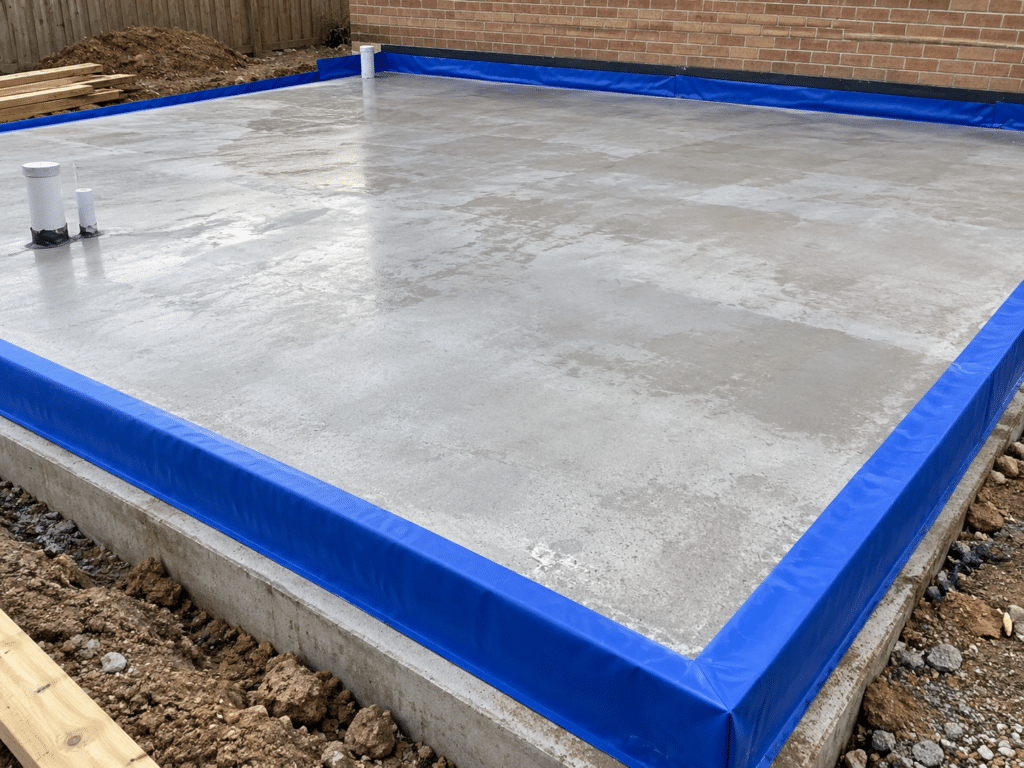
If you are building a new home or extension in Sydney, termite protection has to be organised before the concrete slab is poured. Some parts of a termite management system can only go in at specific stages of the build, and once the slab is down, the chance to install them is gone.
That timing is what catches many owner-builders and first-home builders out. The builder is focused on the frame and the finishes, the plumber on the services, and termite protection can fall between trades. Booking it early means each stage is installed at the right moment, and you have the paperwork your certifier needs at the end.
This guide explains what new build termite protection involves in Sydney, when each part is installed, and what to ask your builder before the slab is poured.
Do New Homes in Sydney Need Termite Protection?
Yes. Under the National Construction Code, new homes in areas where subterranean termites are found, which includes Sydney, need a termite management system. That system has to meet the Australian Standard AS 3660.1, which covers termite management for new building work.
The reason is simple. Subterranean termites live in the soil around most Sydney suburbs and travel underground to reach timber. Even a home with a concrete slab and brick veneer walls has a timber frame, roof trusses, door frames and skirting boards, and termites can reach them through tiny gaps around pipes, cracks in the slab or the joint where the slab meets the walls.
Termite protection for a new home is about closing those routes, or forcing termites into the open where they can be seen during inspections.
Types of Termite Protection for a New Build
Most new homes use a combination of systems rather than a single product. The right mix depends on the slab design, the site and your preferences.
Physical Termite Barriers
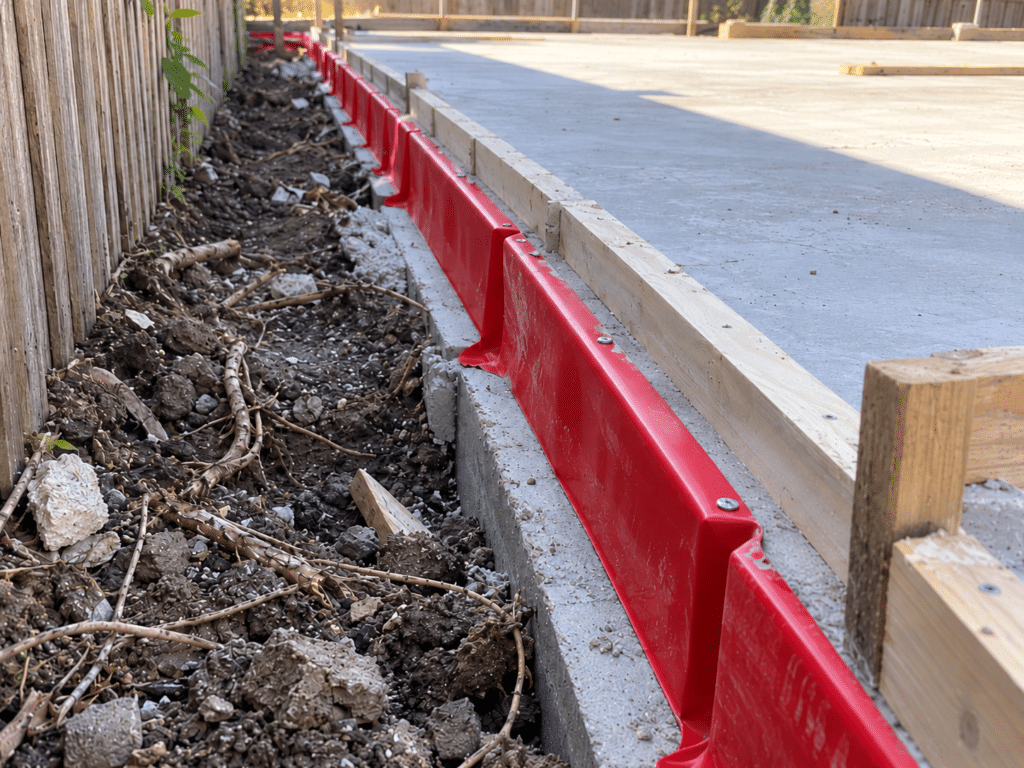
These are materials termites cannot get through, such as under-slab membranes, stainless steel mesh, graded stone and collars fitted around pipes. They do not rely on chemicals and do not need topping up while they remain intact. Our page on physical termite barriers covers each type.
Chemical Soil Treatments
A termiticide is applied to the soil to create a treated zone under or around the building. Termites entering the zone either avoid it or are affected by it, depending on the product. The protection lasts for the period stated on the product label.
Termite Reticulation Systems
A network of pipes is laid in the soil, usually around the perimeter and sometimes under the slab, so the chemical zone can be recharged later without digging up paths or garden beds. This is useful on blocks that will end up with a lot of paving. Our guide to the termite reticulation system explains how refills work.
When to Book Termite Protection During Your Build
Pre-construction termite treatment happens in stages that follow your build program, so the best time to book is when you have your plans and an approximate slab pour date. A typical sequence looks like this.
Before the Slab Pour: Collars and Under-Slab Barriers
Once the plumber has set out the pipes and conduits, termite collars are fitted around every penetration that will pass through the slab. Where an under-slab membrane or chemical zone is part of the system, it goes in on the prepared ground before the concrete arrives. This is the stage that cannot be repeated later.
During Brickwork or Cladding: Slab Edge Protection
Where the system includes a barrier at the slab edge or in the wall cavity, it is installed as the external walls go up, closing the joint where the slab meets the brickwork.
After Landscaping: The Perimeter Zone
Any perimeter chemical treatment or reticulation is usually completed once the final ground levels, paths and garden beds are in place, so the treated zone is not disturbed by later earthworks.
At Handover: The Durable Notice
When the system is complete, a durable notice is installed, usually in the electricity meter box. It records what termite management system was installed, when, and how often the home should be inspected. Your certifier will expect to see it, and future buyers and inspectors rely on it.
Building soon? Call 0468 288 969 or ask about termite barrier installation in Sydney and get a quote before the slab goes in.
Common Termite Protection Mistakes on New Builds
Most problems with new build termite protection come from timing and later changes rather than the products themselves. These are the ones that come up most often:
- The slab is poured before the collars go in. Pipe penetrations are one of the main routes into a slab home, and once the concrete is down, they cannot be collared the same way.
- New pipes are cut through the slab later. A kitchen or bathroom change can open a fresh gap in a protected slab if the new penetration is not resealed.
- Garden beds and paving bury the slab edge. The exposed edge is the inspection zone. Covering it lets termites climb past the barrier unseen.
- Render or cladding covers the inspection zone. Termites can then build tubes behind the finish without anyone noticing.
- The durable notice goes missing. Without it, nobody knows what was installed or when it needs attention.
What to Ask Your Builder About Termite Protection
Termite protection is part of most building contracts, but the details vary. Before the slab is poured, it is worth confirming:
- Which termite management system is included, and whether it covers the whole slab or only parts of it
- Who is installing it, and whether they are a licensed pest management technician
- When each stage will be installed, and whether the plumber and concreter know to wait for it
- Whether a reticulation system is included if the home will be surrounded by paving
- That you will receive the durable notice and the installer’s paperwork at handover
If you are an owner-builder, you are responsible for organising this yourself, so book the installer as soon as the plans and pour date are settled.
What to Send for a New Build Termite Quote
A new build termite quote is quicker and more accurate when we have the details up front. Have these ready when you get in touch:
- The site address and the type of build, such as a new home, duplex, granny flat or extension
- Your plans, including the slab design and plumbing layout if you have them
- Your expected slab pour date
- Your builder’s or plumber’s contact details, so each stage can be scheduled around them
- Whether you prefer a physical or chemical system, if you have a preference
Termite Protection for Extensions and Granny Flats
An extension or granny flat needs its own termite protection, and it also needs to connect properly with the protection on the existing home. The join between the old slab and the new one is a common weak point, as are new plumbing penetrations cut through an existing slab.
Building work can also damage protection that is already there. New garden beds piled against the wall, paving laid over a reticulation line or render covering the slab edge can all bridge a barrier. If you are adding to an existing home, have the current protection checked before work starts.
Keeping Your New Home Protected From Termites
No termite management system lasts forever on its own, and none of them makes a home termite-proof. They are designed to stop concealed entry and make activity easier to find. To keep that protection working:
- Keep the slab edge exposed and clear of soil, mulch and garden beds.
- Don’t cut through the slab for new plumbing without having the penetration resealed.
- Fix leaks against the house quickly, because damp soil attracts termites.
- Learn what termite mud tubes look like, so you can spot activity on the slab edge early.
- Book a termite inspection at least once a year, or as recommended on your durable notice.
- Recharge chemical zones or reticulation systems before the date on the label passes.
Regular inspections are the most reliable form of termite prevention in Sydney, and they are often a condition of the system’s warranty. If termites ever do get past the protection, our termite pest control in Sydney deals with the colony and restores the protection.
What You Should Do Before Your Slab Is Poured
1. Confirm the Termite Protection in Your Contract
Check which system is included and what it covers, and ask questions while changes are still easy to make.
2. Share Your Plans and Pour Date With the Installer
The installer needs the slab design, the plumbing layout and the expected pour date to plan each stage.
3. Coordinate With the Plumber and Concreter
Make sure collars and any under-slab barrier go in after the services are set out and before the concrete arrives.
4. Plan the Landscaping Around the Slab Edge
Keep garden beds and paving below the slab edge so the inspection zone stays visible once the home is finished.
5. Book Your Termite Protection Now
Get a quote and lock in the installation schedule early, so no stage holds up your build or your certification.
Conclusion
New build termite protection is easiest and most complete when it is planned before the slab is poured. Confirm what is in your building contract, share your plans and pour date with a licensed installer, and make sure collars and under-slab protection go in at the right moment. After handover, keep the slab edge clear, look after the system and book regular inspections, so your new home stays protected for years to come.
Building or extending in Sydney? Send us your plans and pour date, or call 0468 288 969, for a termite protection quote from licensed and insured technicians, scheduled around your build.
Frequently Asked Questions
1. When Should Termite Protection Be Installed on a New Build?
The first stage goes in before the slab is poured, once the plumbing has been set out. Other stages follow during brickwork and after landscaping. Booking when you have your plans and pour date gives the installer time to schedule each step.
2. Is a Concrete Slab Enough to Stop Termites?
No. Termites can enter through gaps around pipes, cracks and the joint between the slab and the walls. A termite management system is designed to close or expose those routes.
3. What Is a Termite Durable Notice?
It is a permanent notice, usually placed in the meter box, that records the termite management system installed, the installation date and the recommended inspection frequency.
4. Do I Still Need Termite Inspections in a New Home?
Yes. No system makes a home termite-proof, and regular inspections are often a condition of the system’s warranty. Most homes should be inspected at least once a year.
5. What Happens During the Inspection?
For a new build, the installer reviews your plans and site before quoting. For an existing home, the inspector checks the subfloor, roof void, interior and grounds and reports on any activity and the condition of current protection.
6. What Affects the Treatment We Recommend?
The slab design, the soil and site levels, the plumbing layout, how much paving will surround the home, and whether you prefer a physical or chemical system. These decide which combination of protection suits your build.
7. Who Is Responsible for Termite Protection on a New Build?
On most building contracts, the builder arranges the termite management system as part of the build, so check your contract to see what is included. If you are an owner-builder, organising it is your responsibility.
8. How Long Does Termite Protection Last on a New Home?
It depends on the system. Physical barriers keep working while they stay intact and are not bridged. Chemical treatments last for the period on the product label and then need renewing, which a reticulation system makes easier. The durable notice records what was installed so you know when to act.