

You were cleaning out the garage, checking under the house or pulling back a garden bed, and there it was: a thin, muddy track running up the brickwork or a timber stump. If it looks like dried dirt that someone has piped onto the wall, there is a good chance you are looking at termite mud tubes.
Here is what to do. Leave the tube exactly as it is, take a photo, and book a termite inspection. Mud tubes are the clearest sign that subterranean termites are travelling between the soil and timber, and they are one of the most common signs of termites in Sydney homes. Breaking them open feels like doing something, but it usually makes the termites harder to find.
This guide explains what termite mud tubes are, how to tell an active tube from an old one, where to check around your home, and what happens next.
What Are Termite Mud Tubes?
Termite mud tubes, also called mud leads or shelter tubes, are narrow tunnels built from soil, chewed wood and saliva. They are usually about the width of a pencil, although several can merge into a wider band.
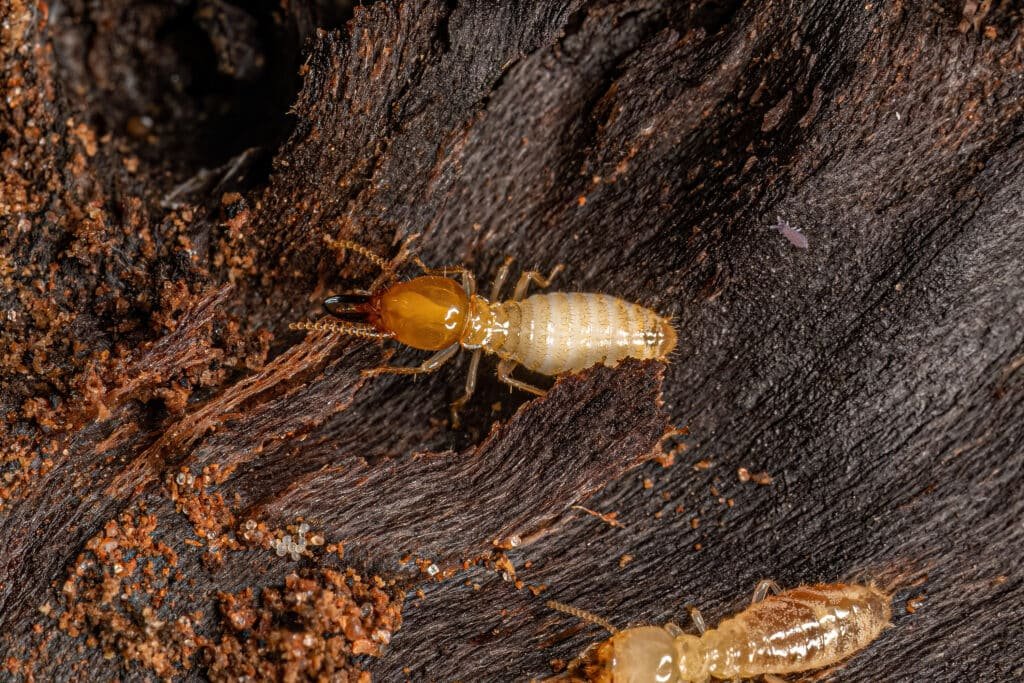
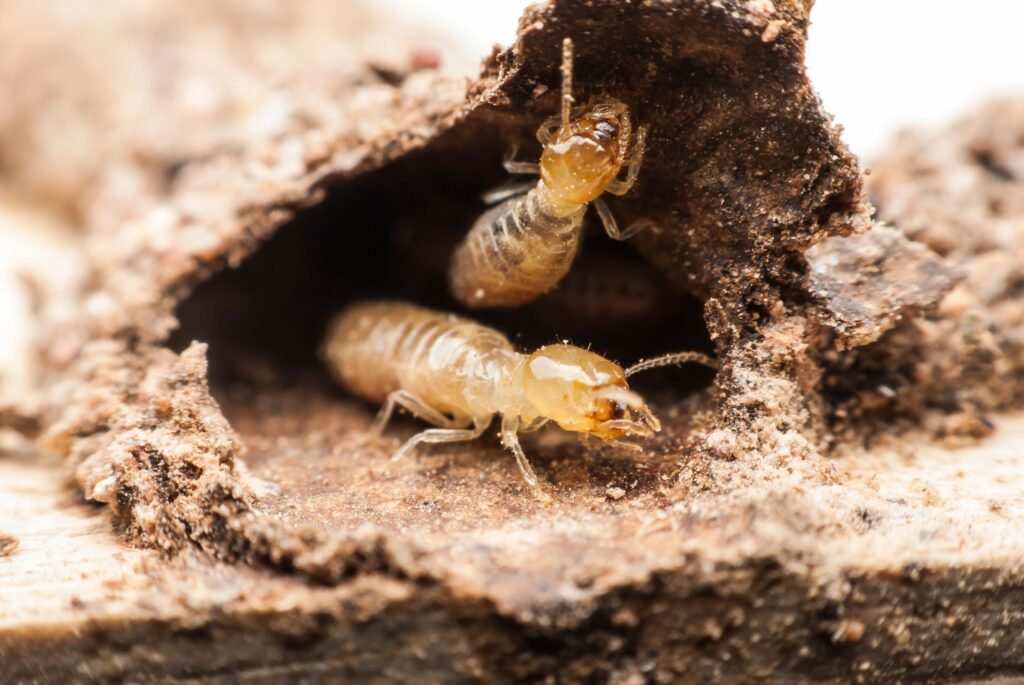
Subterranean termites build them for protection. Worker termites dry out quickly in open air and are easy prey for ants, so they cannot walk across a brick wall or a concrete stump in the open. The tube gives them a dark, damp, sheltered path from the colony in the soil to the timber they are feeding on, and back again.
These are the termites behind most of the serious damage in Sydney, including Coptotermes, the genus our article on common termite species in Australia covers in more detail. Finding their tubes means they have found a way past the ground and onto your building.
How to Tell if a Termite Mud Tube Is Active
Not every tunnel you find means termites are working there right now. Some are years old and long abandoned. You cannot be sure by eye, but a few clues help.
- Active tubes often look darker and feel slightly damp. They may look freshly extended at one end.
- Old tubes are usually pale, dry and crumbly, like dry mud, and may have gaps or sections that have fallen away.
- A tube that ends in mid-air or hangs down from a floor joist can be an exploratory tube, built while termites search for food.
Even an old, dry tube is worth reporting. It shows termites have reached the building before, and the colony that built it may simply have moved to a different route. A termite inspector can check whether there is current activity without breaking into the tube, using moisture meters, thermal imaging and careful sounding of nearby timber.
Where Termite Mud Tubes Show Up in Sydney Homes
Termites look for the hidden, damp route into a building, so their shelter tubes tend to turn up in the same places. Check these with a torch:
Subfloor Piers, Stumps and Ant Caps
In homes with a suspended timber floor, look at every brick pier and stump under the house. Ant caps on top of the stumps do not stop termites, but they force them to build a tube around the cap, where it can be seen. A tube bridging an ant cap is a classic find.
Slab Edges and External Brickwork
On slab homes, the outside edge of the slab is meant to stay exposed as an inspection zone. Look along it, especially where garden beds, paving or mulch have built up against the wall and hidden the edge.
Garages, Laundries and Wet Areas
Termites follow moisture. Check behind the hot water system, under laundry tubs, beside leaking taps and around downpipes. Look at the base of door frames and along skirting boards in rooms on the slab.
Fences, Sleepers and Trees
Mud leads on a timber fence, a retaining wall sleeper or a tree stump in the yard mean termites are active on the property, even if the house looks clear. They are foraging for food, and the house is the largest food source on the block.
Found mud tubes? Leave them as they are. Call 0468 288 969 or book a termite inspection in Sydney and we will trace where the termites are coming from.
Should You Break Termite Mud Tubes?
No. It is tempting to knock the tube off the wall or spray inside it, but disturbing a mud lead usually works against you.
When a tube is broken, termites often abandon that route and build a new one somewhere less obvious, such as inside a wall cavity or behind cladding. The trail you found, which is exactly what an inspector needs to follow back to the colony, is lost. Spraying the tube with a household insecticide kills the few termites inside it while the colony carries on. It can also make it harder to place a treatment where it will spread through the nest.
If the tube has already been broken, don’t worry. Tell the inspector where it was and when you disturbed it, and leave the area alone from now on.
What a Termite Inspection Does When Mud Tubes Are Found
A thorough termite inspection follows the activity back to its source rather than treating only the tube you can see. The inspector checks the subfloor, the roof void, the inside of the home and the garden, then confirms whether the tubes are active and which termites built them. If you are wondering how long the visit takes and what the report includes, our guide to how long a termite inspection takes walks through it.
If termites are active, the next step is getting rid of the colony, not just the termites in the wall. Depending on where they are working, that can mean treating the active workings directly, installing termite bait stations so workers carry the bait back to the nest, or both. Once the colony is under control, the building is protected for the long term, for example with a chemical soil barrier or a reticulation system. A licensed termite specialist will explain which approach suits your home and why. You receive the findings in a written report with photos and a fixed written quote before any treatment starts, so you know exactly what you are agreeing to.
Any tubes found during the inspection are also checked for damage behind them. Termites eat timber from the inside out, which is why they are so hard to spot until damage has spread, as our article on why termites are hard to detect explains.
Why Mud Tubes Appear on Newer Homes
Finding termite mud tubes on a home built in the last few years can be a shock, because most new homes have termite protection installed during construction. Protection is designed to stop termites getting in unseen, not to make a home termite-proof. A tube on a newer home usually means termites have found a way around or over the barrier, often where a garden bed, paving, render or a new pipe has bridged it. If you are building now, our guide to new build termite protection explains how to keep that protection working after handover.
Termite Prevention: How to Keep Termites From Coming Back
Once any active termites have been dealt with, a few habits make your home less inviting and make new tubes easier to spot early:
- Keep garden beds, mulch and soil below the top of the slab edge, so the inspection zone stays visible.
- Fix leaking taps, hot water relief drains and blocked downpipes that keep soil damp against the house.
- Store firewood and timber off the ground and away from the walls.
- Keep the subfloor ventilated and clear of stored timber and rubbish.
- Book a termite inspection at least once a year, which is the interval recommended in AS 3660.2 for existing buildings.
Regular checks are the most reliable form of termite prevention in Sydney, because they pick up new activity while it is still small and cheap to deal with.
What You Should Do If You Find Termite Mud Tubes
1. Leave the Mud Tube Intact
Don’t scrape it off, poke it or spray it. Undisturbed tubes give the inspector a direct trail back to the termites.
2. Photograph It and Note the Location
Take a clear photo and write down exactly where it is, such as the third pier from the laundry or the slab edge beside the back door. Describing the spot when you book helps the inspector start in the right place.
3. Check the Nearby Area Without Disturbing It
With a torch, look for other tubes on piers, slab edges, door frames and skirting boards close by, and for soft or damaged timber.
4. Keep the Area Dry and Undisturbed
Hold off on renovations or garden work in that spot, and fix any obvious leak nearby if you can do so without touching the tube.
5. Book a Termite Inspection
Arrange an inspection as soon as you can. A same-day termite inspection is often possible, and it confirms whether the termites are active and how far they have spread.
Conclusion
Termite mud tubes are a warning you can actually see, which makes them valuable. Leave the tube intact, take a photo and check the area around it without disturbing anything. Then have a licensed inspector trace the activity back to the colony, so the termites are dealt with at the source and your home is protected from the next ones. Acting while the tube is the only sign is the best way to keep repairs small.
Found mud tubes on a wall, pier or stump? Call 0468 288 969 or send us the details through our enquiry form for a same-day termite inspection by licensed and insured technicians. Our termite treatments come with warranty terms confirmed after inspection.
Frequently Asked Questions
1. Do Mud Tubes Always Mean Termites?
Most tunnels like these on walls, piers and stumps are built by subterranean termites. Some wasps also build mud nests, but these are solid cells rather than long tunnels. An inspection confirms what built the tube and whether it is active.
2. Can Termites Be Inside My Walls if the Mud Tube Is Outside?
Yes. A tube on the outside of a wall often leads to timber framing inside the cavity. That is why the inspection covers the inside of the home and the roof void as well as the spot where the tube was found.
3. Are Dry Mud Tubes Still a Problem?
A dry, crumbly tube may be old, but it still shows termites have reached the building. The colony may have moved to another route, so it is worth having the property checked.
4. What Happens During the Inspection?
The inspector checks the subfloor, roof void, interior and grounds, using a moisture meter and thermal imaging to find hidden activity. You receive a report that explains what was found and what is recommended.
5. What Affects the Treatment We Recommend?
Where the termites are working, how the home is built, whether it sits on a slab or piers, the soil and paving around it, and how far the activity has spread. The inspection confirms these before any treatment is recommended.
6. Can I Get a Same-Day Termite Inspection?
Often, yes. If you call before midday, we can usually attend the same afternoon, weekends included. Let us know you have found mud tubes when you book, so the inspection can start there.
7. Should I Remove Mud Tubes After Treatment?
Once the termites have been treated and the inspector confirms the area is clear, old tubes can be brushed away. Removing them makes it easier to tell if new activity appears later, because any fresh tube will stand out.
How our treatment warranties work
Warranty cover, duration and conditions are confirmed after inspection, based on the pest, infestation, property conditions and agreed treatment plan. Follow the preparation, treatment and prevention recommendations provided by your technician. Contact Apex if activity returns so we can assess it under your agreed warranty terms.
Reinfestation, access limitations and changing property conditions can affect results. A return visit or additional treatment is assessed under the terms agreed for your job; it is not automatically free. We explain those terms and honour the warranty agreed for your treatment.
Bed bug warranty
Our standard bed bug warranty is 1 month from the date of the first treatment, with cover and conditions confirmed after inspection. Longer cover may be discussed based on the inspection findings and completion of the treatments and recommendations specified by your technician; it is not automatic. Contact Apex if activity returns so we can assess it under your agreed terms.