152 Elizabeth St, Melbourne VIC 3000, Australia
Termite Chemical Barrier Sydney | Chemical Termite Protection
Chemical termite barriers
★★★★★ 5.0

Termite Chemical Barrier Sydney

Need a termite chemical barrier in Sydney for a home that is already built? Apex creates a continuous treated zone in the soil around your home using registered termiticides applied to AS 3660, trenching garden edges, drilling through paths and treating the subfloor so termites have no untreated way in. As a licensed pest exterminator in Sydney, we inspect first, treat any active termites and then install a chemical termite barrier that protects your home for years.

AS 3660 compliant
Registered termiticides
Ideal for existing homes
Licensed & accredited
Chemical termite barriers applied to Australian Standards
Licensed & InsuredNSW licensed pest technicians
AS 3660standard-compliant treated zones
APVMA Registeredtermiticides at full label rate
Existing Homesno need to lift the slab
How it works

How a Chemical Termite Barrier Protects Your Home

Subterranean termites live in the soil and tunnel towards timber, entering a house through hidden gaps at the slab edge, around pipes and under paths. A chemical termite barrier places a continuous band of termiticide in the soil around and under the building, so every one of those routes passes through treated ground before it reaches your home.

Termites that forage into the treated zone are either repelled or killed, depending on the product. Modern non-repellent termiticides cannot be detected by termites, so workers carry the active ingredient back and share it with others in the colony. Because the treatment works through the soil, a chemical barrier is the most practical type of termite protection for Sydney homes that were built without one, or whose original termite barrier has run out.

Treated soil zone
Concrete slab Wall Path Soil Treated zone
Termiticide treated soil zoneDrill and inject points through pathsConcrete path against the wallExisting slab
Treatment methods

Chemical Barrier Treatment for Termites Around Every Part of Your Home

A treated zone only works if it is continuous, because termites will find the one metre of untreated soil and use it. Most homes need a combination of methods to reach soil under garden beds, concrete paths, verandahs and the subfloor. Here is how each part of a chemical barrier treatment for termites is applied on a Sydney property.

Method 01 of 05

Perimeter Trench and Treat

Where soil or garden beds meet the outside walls, we dig a narrow trench along the slab edge or footings, treat the soil in the trench and the backfill as it goes back in, and leave a continuous treated band around the house. This is the core of most chemical termite barriers, and it is the part that garden work later disturbs most often.

Applied to
Soil and garden beds against walls
Method
Trench, treat and backfill
Keep in mind
Do not dig through the zone
Get a Barrier Quote
Method 02 of 05

Drill and Inject Through Concrete and Paving

Paths, driveways, patios and pavers laid against the house hide the soil termites use to reach the slab edge. We drill small holes through the concrete or lift pavers at set intervals, inject termiticide into the soil underneath, then plug and seal each hole so the surface is left neat. This keeps the treated zone continuous without breaking up your paving.

Applied to
Paths, patios and driveways
Method
Drill, inject and seal
Finish
Holes plugged and sealed
Get a Barrier Quote
Method 03 of 05

Subfloor Treatment for Suspended Floors

Homes on piers, stumps or brick footings have a crawl space where termites can travel straight up to the bearers and joists. We treat the soil along the internal side of the footings, around every pier and under attached areas such as steps and verandahs, so the whole subfloor sits inside the treated zone.

Applied to
Piers, stumps and footings
Method
Soil treated inside the subfloor
Keep in mind
Subfloor access needed
Get a Barrier Quote
Method 04 of 05

Pre-Construction Under-Slab Spray

On a new build, the prepared ground is treated before the slab is poured, creating a horizontal treated zone under the whole footprint. The perimeter is treated later, once the walls are up and the final landscaping levels are set. This option suits builds where the owner or builder prefers a chemical system over mesh or membrane.

Applied to
Prepared ground before the pour
Method
Under-slab spray, then perimeter
Timing
Booked around your build
Get a Barrier Quote
Method 05 of 05

Chemical Barrier With a Reticulation System

A reticulation system is a network of perforated pipes laid along the perimeter so the treated zone can be recharged by pumping termiticide through fill points. It costs more to install than a one-off treatment, but future top-ups are faster and avoid digging up gardens or drilling paving again, which suits fully landscaped homes.

Applied to
Full perimeter through pipes
Method
Recharged through fill points
Best for
Landscaped and paved homes
Get a Barrier Quote
Products and coverage

Chemical Termite Barrier Products and Treated Zone Coverage

Not every termite barrier product works the same way. The termiticide we recommend depends on your soil, how your home is built, how close it sits to gardens or waterways and how long you want the protection to last. Every product we use is registered with the APVMA and applied at the full rate on its label.

Product type 01

Non-Repellent Termiticides

Non-repellent products cannot be detected by termites, so they forage into the treated soil as normal. Termites that contact it are affected slowly enough to return to the colony and pass the active ingredient on to others. This transfer effect makes non-repellents the most common choice for an existing home with termite pressure nearby.

Product type 02

Repellent Termiticides

Repellent products create a zone termites detect and avoid, turning them away from the building rather than killing the colony. They can be a cost-effective option in the right situation, but any gap in the treated soil gives termites a clear path around it, so the application has to be especially thorough.

Coverage 03

Treated Zone Coverage Area

The anti-termite treatment coverage area follows the full perimeter of the building, plus soil under attached structures such as steps, porches, verandahs and garages. The width and depth of the treated zone and the volume applied per metre are set by the product label and AS 3660, which is why we measure the whole perimeter before quoting.

Records 04

Durable Notice and Treatment Record

Once the barrier is in, we fix or update the durable notice in your meter box with the product used, the date and when the next inspection is due. You also receive a written treatment record, which matters when you sell, insure or extend the home.

No barrier in place?

Book a Chemical Termite Barrier for Your Sydney Home

Tell us about your home and what is around it, and we will inspect, measure the perimeter and give you a fixed written quote for a chemical termite barrier.

Step by step

How We Install a Chemical Termite Barrier in Sydney Homes

A chemical termite barrier is only as good as its weakest metre, so every installation starts with an inspection and ends with a record of exactly what was done. Most homes follow these four steps.

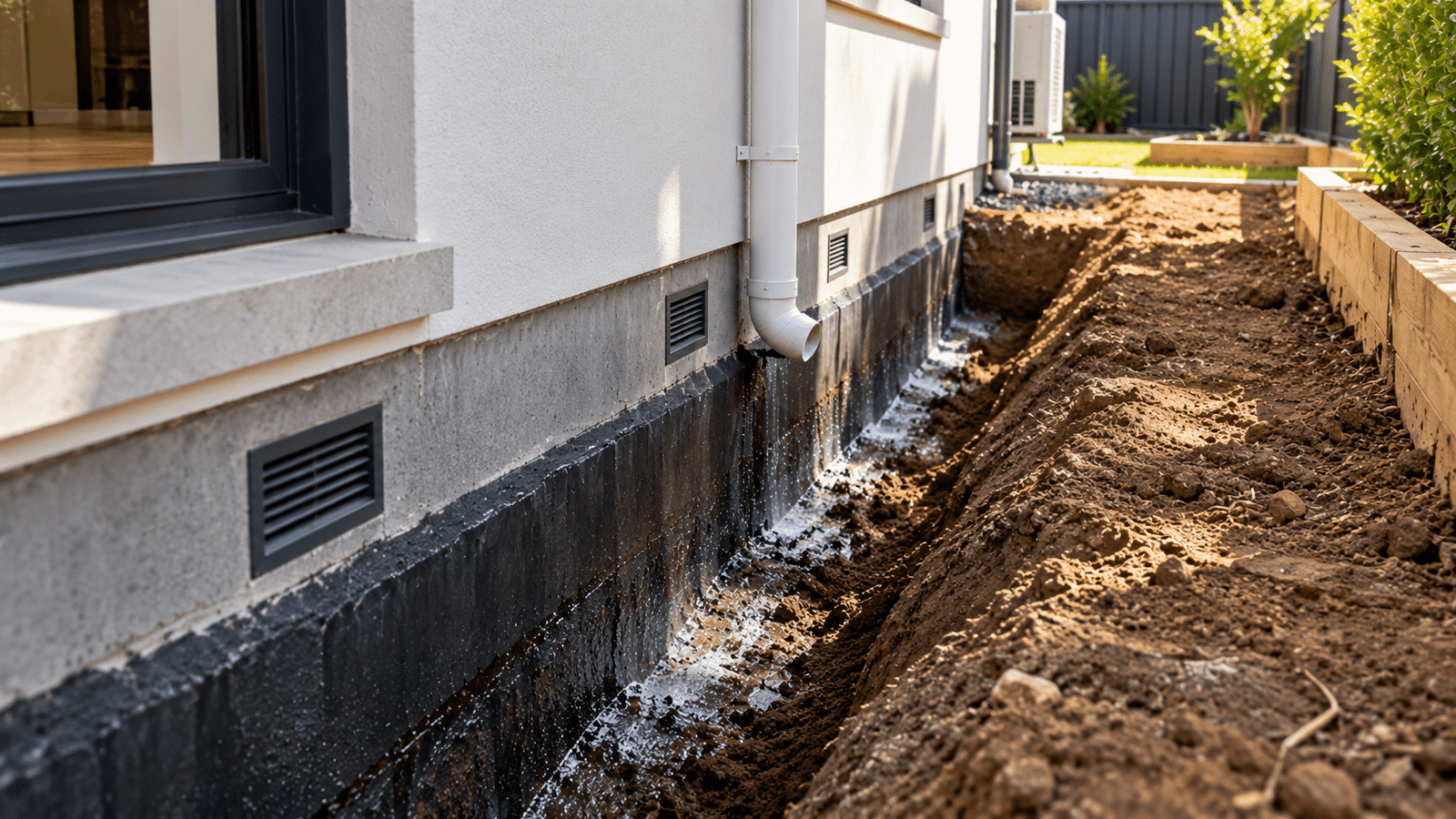
Termite chemical barrier along a house foundation
Treating along the foundationSoil against the walls is treated so the barrier is continuous.
01

Termite Inspection First

We inspect the home, subfloor, roof void and garden for live termites, damage and conducive conditions. If termites are active, termite treatment in Sydney comes first, so the barrier is not simply sealing them inside.

02

Measure, Plan and Quote

We measure the perimeter, note every path, garden bed and attached structure, and choose the right termiticide for your site. You receive a fixed written quote showing the treatment area and method.

03

Trench, Drill and Treat

Soil against the walls is trenched and treated, concrete is drilled and injected, and the subfloor is treated where needed. Drill holes are plugged and sealed, and gardens are backfilled as we go.

04

Durable Notice and Annual Checks

We update the durable notice in your meter box, hand over your treatment record and book your next inspection. Inspections at least every 12 months are recommended under AS 3660.2 to keep the barrier working.

Why choose a chemical barrier

Benefits of a Chemical Termite Barrier for Existing Sydney Homes

For a home that is already built, a chemical barrier is usually the most effective way to add continuous termite protection. Here is what it offers.

Works on Homes Already Built

Mesh and membranes can only go in before the pour. A chemical termite barrier treats the soil around an existing slab or subfloor without lifting floors or rebuilding anything.

Full Perimeter Protection

The treated zone surrounds the whole building, including under paths and attached structures, closing the concealed routes termites use at the slab edge and footings.

Affects Termites, Not Just Blocks Them

Non-repellent termiticides are carried back by foraging termites and shared through the colony, adding an extra layer of control rather than only turning termites away.

Can Be Renewed When It Runs Down

When the treated zone reaches the end of its life, it can be re-treated or recharged through a reticulation system, so protection continues for as long as you own the home.

Best fit

Chemical vs Physical Termite Barrier: Which Suits Your Home?

Both are recognised under AS 3660, and many Sydney homes end up with a mix of the two. The right choice mostly depends on whether the home is already built and what surrounds it.

A chemical barrier suits you when:
  • Your home is already built with no barrier in place
  • The original treatment has run out or been disturbed
  • Termites have been found and treated nearby
  • You want a zone that can be renewed in future
VS
Consider a physical barrier when:
  • You are building new and the slab is not yet poured
  • You want no termiticides in the soil at all
  • The block borders a creek or bushland
  • You are adding an extension with a new slab

Building new? A physical termite barrier of mesh, membrane and collars can be cast in before the pour, and a chemical perimeter added once the landscaping is finished.

Lifespan and upkeep

How Long Does a Chemical Termite Barrier Last in Sydney?

A chemical termite barrier lasts several years, but not forever. The exact period is set by the product label and depends on the soil type, moisture and, most of all, whether the treated zone is left undisturbed. Your durable notice records when it was applied so you know when it is due.

What Shortens Its Life

  • Garden beds, soil or mulch piled against the walls
  • New paving, paths or concrete laid against the house
  • Plumbing, drainage or extension work cutting through the zone
  • Leaking taps and downpipes keeping the soil wet

How to Keep It Working

  • Book a termite inspection at least every 12 months
  • Tell us before any work against the house, so we can re-treat that section
  • Renew the barrier when the label period ends, or add termite reticulation so top-ups need no digging
Why choose us

Why Sydney Homeowners Trust Our Chemical Termite Barrier Team

A chemical barrier is only as reliable as the way it is applied, which is why homeowners across Sydney ask for our team.

Licensed and Insured Technicians

Every chemical termite barrier is installed by licensed, insured pest technicians following AS 3660 and the label directions for each product.

Full Label Rates, Never Diluted

We apply registered termiticides at the full rate on the label across the whole treated zone, because a weak or patchy barrier gives termites a way through.

Clear Records You Can Rely On

You receive a written treatment record and an updated durable notice, ready for insurers, buyers and future inspections.

Honest Advice on Every Option

If a physical or reticulated system suits your home better, we will tell you. Our recommendation follows the property, not a preferred product.

Common questions

Termite Chemical Barrier FAQs for Sydney Homeowners

What is a chemical termite barrier?

A chemical termite barrier is a continuous zone of soil treated with a registered termiticide around and under a building. Subterranean termites travelling through the soil to reach your home have to pass through the treated zone, where they are repelled or killed depending on the product used.

How long does a chemical termite barrier last?

A chemical termite barrier usually lasts several years. The exact period is set by the product label and depends on soil type, moisture and whether the treated zone is disturbed by gardening, paving or building work. The durable notice in your meter box records when it was applied so you know when it is due for renewal.

Is a termite chemical barrier safe for children and pets?

The termiticides we use are registered with the APVMA and applied into the soil by licensed technicians, following the safety directions on the label. Children and pets should stay away from treated areas until the soil has been backfilled and the surface is dry. We also advise on keeping vegetable gardens, water tanks and pools clear of the treatment area.

Can a chemical barrier be installed around a home with concrete paths?

Yes. Where paths, driveways or patios run against the house, we drill small holes through the concrete at set intervals, inject termiticide into the soil underneath and then plug and seal each hole. Pavers can be lifted, the soil treated and the pavers relaid.

Will a chemical barrier kill termites already inside my house?

A chemical barrier is designed to stop termites getting into the building from the soil. If termites are already active inside, they are treated first, and the barrier is installed once the activity is under control. If you have found live termites, book an inspection so they can be treated first.

Is a chemical or physical termite barrier better?

Each suits different situations. A physical barrier is best installed during construction, while a chemical termite barrier is usually the most practical choice for a home that is already built. Many Sydney homes use both, with physical protection built into the slab and a chemical perimeter added later.

What affects the cost of a chemical termite barrier in Sydney?

The price depends mainly on the length of the perimeter, how much concrete or paving needs drilling, whether the home has a subfloor to treat, the product chosen and access around the property. Installing a reticulation system for future top-ups also adds to the initial cost. We measure the property before giving a fixed written quote.

Do I still need termite inspections after a chemical barrier?

Yes. No barrier stops termites forever, so AS 3660.2 recommends inspections at least every 12 months, and more often in high-risk areas. A regular timber pest inspection checks that the treated zone has not been bridged or disturbed and picks up any activity early.

Free quote, fast reply

Get a Chemical Termite Barrier Quote for Your Sydney Home

Tell us about your home, its floor type and what surrounds it, such as gardens, paths or paving, and we will arrange an inspection and a fixed written quote. Already have a barrier? Send us the details from your durable notice and we will tell you whether it is due for renewal.