

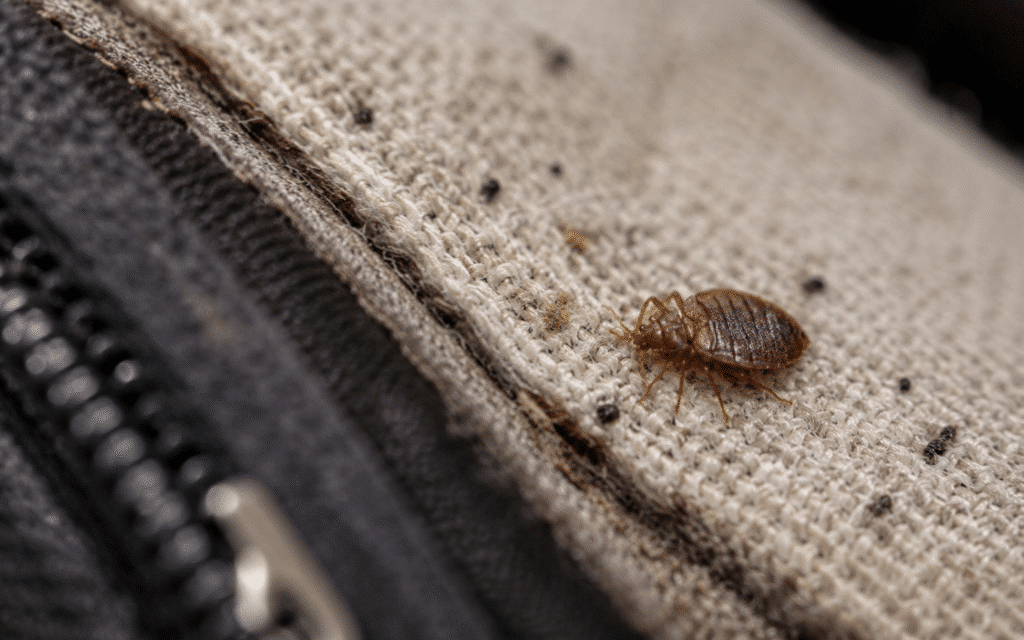
You bought new linen, and a week or two later you are finding bites and spots on the mattress, so the sheets seem like the obvious culprit. They might be, but bed bugs usually arrive in other ways, and working out the real source matters, because whatever brought them in can bring them back.
Bed bugs don’t appear out of nowhere, and they aren’t caused by a dirty house. If you are asking yourself “how did I get bed bugs?”, the short answer is that someone or something carried them in, almost always on luggage, furniture, clothing or from a neighbouring home. The tricky part is that the bugs usually arrive weeks before anyone notices them, which is why the most recent purchase or visitor often gets the blame.
When Apex Pest Control inspects a home in Sydney, finding where the bed bugs came from is part of the job, not an afterthought. This guide walks through the most common sources and how to narrow down yours.
What Causes Bed Bugs in the First Place?
Bed bugs feed only on blood, so they don’t live in food scraps, rubbish or dust. A spotless home can have them as easily as a messy one. What they need is a person sleeping in the same place every night and somewhere tight to hide nearby, such as mattress seams, bed frame joints and gaps along the skirting.
They can’t fly or jump, and they don’t live on pets the way fleas do. They get around by crawling short distances and by hitching a ride in belongings. Every bed bug problem starts with a few bugs, or a few eggs, being carried into the home from somewhere they already lived.
Can Bed Bugs Randomly Appear?
No, but it can certainly feel that way. Three things make a bed bug problem seem to come from nowhere.
- Bites can take days to show. healthdirect notes that some people don’t notice a reaction for up to nine days, and around 1 in 5 people don’t react at all.
- A handful of bugs is easy to miss. In the early weeks, there may only be a few bugs hiding in one corner of the mattress.
- Numbers build slowly, then quickly. Once females start laying eggs, a problem that was invisible for a month can become obvious within a few weeks.
Put together, the bugs you are noticing now often came in a month or more ago. That is why it helps to think back further than the last few days.
Could New Sheets or Linen Really Bring Bed Bugs Home?
It is possible, but it is not the most likely source. Sealed, new linen straight from a retailer is a poor place for bed bugs to survive, because there is no person nearby to feed on. The risk rises with items that have been opened or used, such as returned stock that was repackaged, display items, second-hand linen or anything stored near infested furniture.
If you suspect a purchase, check the packaging and the folds of the fabric for small dark spots, pale shed skins or live bugs, and keep the receipt. Then look at the wider timeline. Bites that started soon after the linen arrived may still trace back to a trip, a piece of furniture or a guest from several weeks earlier.
The Most Common Ways Bed Bugs Get Into Sydney Homes
Travel and short stays
Hotels, holiday rentals, hostels and long flights are the classic source. Bed bugs crawl into suitcases left on or near the bed and come home in seams and pockets. WA Health notes that bed bugs commonly move from infested premises to new premises around Australia and overseas in luggage and personal belongings.
Second-hand furniture and mattresses
Mattresses, bed bases, couches and bedside tables bought online or picked up from a kerbside clean-up are a common way in. Bed bugs hide deep in joints, staples and fabric folds, where a quick look won’t find them.
Visitors and overnight guests
A friend or family member who has bed bugs at home can bring a few in a bag or coat, especially if they stay the night or leave belongings on a bed or couch.
Units and shared walls
In apartments and townhouses, bed bugs can travel between homes through gaps around pipes, power points and shared walls. If you have treated your own unit and the problem keeps returning, the source may be next door.
Moving house
Furniture that has been stored, moved in a shared truck or kept in a share house can carry bed bugs to a new address, so the problem appears to “start” at the new place.
Not sure where yours came from? Call 0468 288 969 or book bed bug treatment Sydney wide, and we will check where they came from as well as where they are.
How to Work Out Where Your Bed Bugs Came From
Start with a simple timeline. Write down anything that came into the home over the past two months, then compare it with when the bites or spotting began.
- Have you travelled, or stayed in a hotel or rental?
- Did you buy or bring home any second-hand furniture, a mattress or a couch?
- Has anyone stayed overnight, or have you stayed at someone else’s place?
- Are neighbours in your building mentioning bites or pest treatment?
- Which bed or room had the first bites, and where is the evidence heaviest?
The room where the signs are heaviest is usually where the bugs first arrived. A suitcase stored under one bed or a second-hand couch in the lounge will often show more spotting and shed skins than anywhere else.
Why Do I Keep Getting Bed Bugs?
If bed bugs keep coming back, it usually means one of two things. Either the original problem was never fully cleared, or the source is still bringing new bugs in.
Treatment can fall short when eggs survive and there is no follow-up visit, when shop sprays scatter bugs into walls and nearby rooms, or when a couch, a spare bed or a stored suitcase was left untreated. Repeat problems also happen when the same source keeps feeding new bugs in, such as a neighbour’s unit, regular stays at an infested property or furniture that was never checked.
Bed bugs can survive for months without feeding, so a quiet patch does not always mean they are gone. If you have had them before and they have returned, our guide on how to stop new bed bug bites explains what to do while you arrange treatment.
How to Stop Bringing Bed Bugs Home
A few habits make it much harder for bed bugs to hitch a ride:
- When you travel, keep your suitcase on the luggage rack or in the bathroom, away from the bed, and check the mattress seams and bedhead with your phone torch when you arrive.
- Unpack straight into the laundry when you get home. Put clothes through a hot wash and a hot tumble dry, and check the suitcase seams before storing it.
- Inspect second-hand furniture before it comes inside, paying attention to joints, staples, fabric folds and the underside. Avoid kerbside mattresses altogether.
- Keep spare beds and couches clear of guests’ bags and coats.
- In a unit, seal gaps around pipes and power points, and let your building manager know if you find bed bugs, so neighbouring units can be checked.
None of these will clear an existing problem, but they stop a new one from starting and help a treatment hold.
What You Should Do if You Have Bed Bugs
1. Confirm it is bed bugs
Check the mattress seams, bed frame joints and bedhead with a torch for blood spots, black dots, shed skins or live bugs. Fleas, carpet beetles and other small insects can look similar, and getting the identification right decides the treatment.
2. Build your timeline
List travel, furniture, guests and anything else that came into the home over the past two months. Matching that list against when the bites started usually points to the source, and it helps your technician check the right places.
3. Keep the problem contained
Keep sleeping in the same bed, avoid moving furniture between rooms and hold off on shop sprays. Hot wash and tumble dry bedding and clothes from the affected room, and bag anything that can’t be washed.
4. Deal with the source
Check or set aside the item you think brought them in, whether that is a suitcase, a couch or a second-hand bed. If you live in a unit, tell your building manager so the problem can be traced beyond your door.
5. Book a bed bug inspection
Book an inspection and share your timeline when you call. A licensed technician will confirm the bugs, map how far they have spread, look at the likely source and treat both, so the problem doesn’t keep coming back.
Conclusion
Bed bugs don’t come from dirt, and they don’t appear at random. They are carried in, usually weeks before anyone notices, which is why the newest purchase often takes the blame. New sheets can be the cause, but travel, second-hand furniture, guests and neighbouring units are far more common. Thinking back over the past couple of months, checking the room where the signs are heaviest and keeping the problem contained gives you the best start. A professional inspection then confirms where the bugs are and where they came from, so the treatment fixes the problem rather than just the latest round of bites.
Find the source and stop the cycle. Call 0468 288 969 for a same-day bed bug inspection from licensed and insured technicians, backed by a 6-month warranty.
Frequently Asked Questions
1. Are bed bugs caused by being dirty?
No. Bed bugs feed on blood, not food or rubbish, so they are found in clean and messy homes alike. Clutter can give them more places to hide, but it doesn’t cause them.
2. Can you get bed bugs from someone visiting your house?
Yes, if they have bed bugs at home. A few bugs can travel in a bag, coat or blanket, especially when visitors stay overnight or leave belongings on a bed or couch.
3. How long does it take to notice bed bugs after they arrive?
Often several weeks. Early on, there are only a few bugs, some people take days to react to bites, and some never react at all, so most people only notice once numbers have built up.
4. Can pets bring bed bugs into the home?
It is uncommon. Bed bugs don’t live on pets the way fleas do, and they prefer to feed on people. A pet bed can still become a hiding spot once bed bugs are already in the home.
5. Will you treat one room or the whole unit?
The inspection decides that. If the bed bugs are confined to one bed or bedroom, treatment can focus there. If they have reached couches, other bedrooms or shared walls, those areas are treated too, so the problem doesn’t return.
6. What affects the size of the job?
How many rooms, beds and pieces of furniture are affected, how long the bugs have been there, whether the home shares walls with other units and whether anything has already been sprayed. All of this is confirmed during the inspection before treatment begins.