

You have found bed bugs in one room of your home, usually a bedroom. Maybe it is a single bed, maybe it is the spare room where a guest stayed, and the rest of the unit seems fine. The question most people ask next is whether that one room is the whole problem, or just the part they can see.
The honest answer is that it depends on how long the bed bugs have been there and where people have been sleeping. A bed bug infestation that is caught early is often limited to one bed and the furniture beside it. One that has been running for a few weeks, or where someone has moved to the couch to get away from the bites, has usually spread further. The only way to know is to check the rooms around it properly.
This guide explains how bed bugs spread from one room, the signs that they have moved, and how the size of a bed bug treatment is worked out.
Can Bed Bugs Stay in One Room?
Yes, bed bugs can stay in one room for a while, especially in the early stages of an infestation. Bed bugs are not explorers by nature. They settle in the cracks and seams nearest to a sleeping person and only venture out after dark for a meal. If one person sleeps in one bed and nobody moves around, the bed bugs have little reason to leave that bedroom.
That is why an early bed bug infestation is often confined to a single room. The mattress seams, bed frame, bedhead and the bedside table next to it hold most of the activity, and the other rooms stay clear.
If you have only seen a single bug so far, our guide on what to do when you find one bed bug explains how to check whether it has company.
The picture changes once people or belongings start moving. Bed bugs do not fly or jump, so they travel by hitching a ride. Wherever people sleep, sit for long periods or carry bags and laundry, bed bugs can follow.
How Quickly Do Bed Bugs Spread to Other Rooms?
How quickly bed bugs spread to other rooms depends on behaviour more than time. Once a female has had a blood meal she keeps producing eggs, so the population in that first room grows week by week. As the bed fills up, some bugs move further out into skirting boards, power points and nearby furniture.
What speeds it up is people moving around the home:
- Sleeping on the couch or in another bedroom to avoid the bites
- Carrying bedding, clothes or bags from the affected room to the rest of the unit
- Moving a bedside table, chair or bed frame into another room
- A guest, child or flatmate sleeping in more than one bed
Any one of these can carry bed bugs into a second room within days. Knowing where the first bugs came from helps too, and our guide on how bed bugs get into a home walks through the usual sources.
Signs of Bed Bugs in Other Rooms
Before deciding how much bed bug treatment you need, check the rest of the home for the same signs of bed bugs you found in the bedroom. Use a torch and look closely, because early signs are small.
Bed Bugs in the Couch and Lounge Chairs
Bed bugs in the couch are the most common sign of spread, especially if anyone has napped or slept on it. Check the seams, lift the cushions and look into the gaps between the arms and the seat.
Bed Bugs in Other Beds
Check every mattress seam, bed base and bedhead, even in rooms where nobody has been bitten. Plenty of people show no marks from bed bugs, so a bed can be infested without anyone in it noticing.
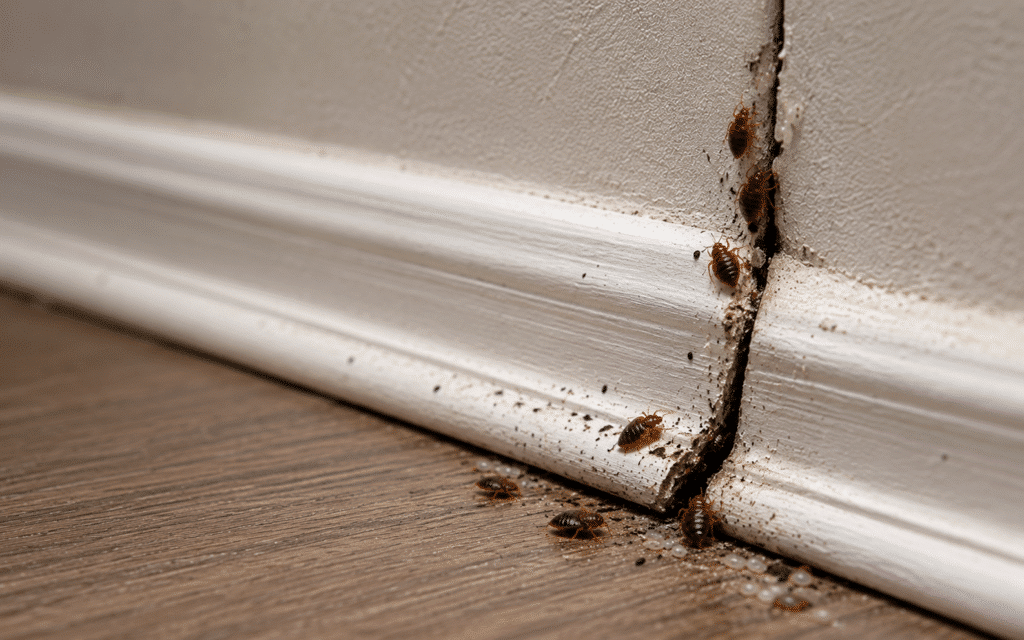
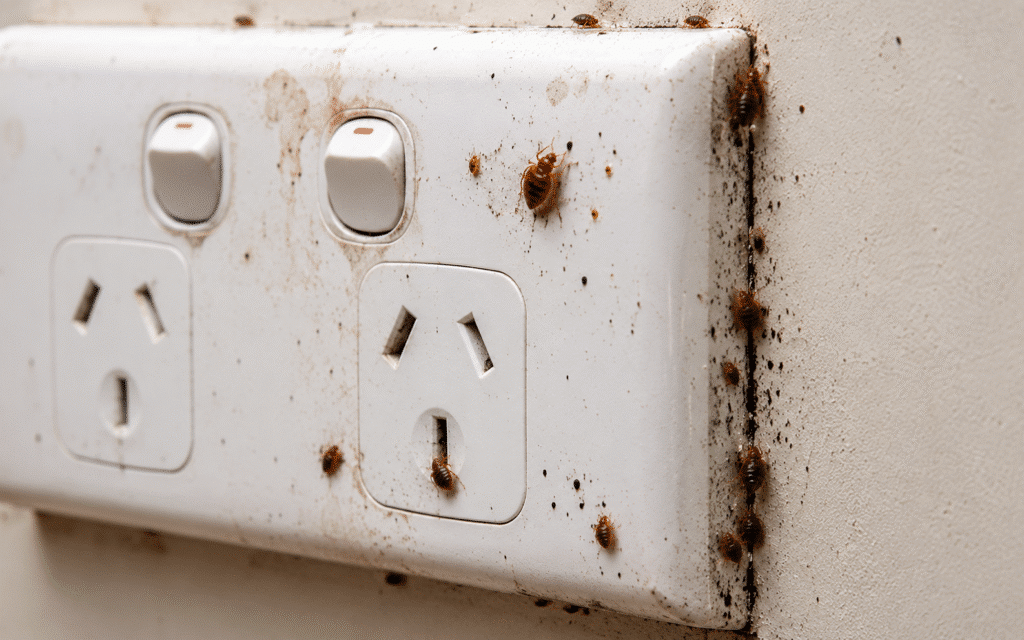
Bed Bugs Behind Skirting Boards and Power Points
Look along skirting boards and around power points in rooms next to the affected bedroom. In a unit or apartment, also check the walls you share with neighbours.
In each spot, look for clusters of tiny black droppings, rust-coloured smears, empty papery skins and the bugs themselves.
Not sure how big the job is? Call 0468 288 969 to arrange bed bug pest control in Sydney, and we will check every room, not just the bedroom.
Does the Whole Unit Need Bed Bug Treatment?
Not always. Whether the whole unit needs bed bug treatment depends on how far the bed bug infestation has spread. Treating the whole unit when the activity is confined to one bedroom adds cost and disruption without adding protection. Treating only the bedroom when bed bugs have already reached the couch leaves them free to come straight back.
The scope of the bed bug treatment should match what the inspection finds. In practice, it usually falls into one of three situations.
Bed Bug Treatment for One Room
Bed bug treatment for one room is enough when the signs stop at one bed and the furniture beside it, and nobody has slept anywhere else. The bed, frame, bedhead, bedside tables, skirting boards and power points in the room are all treated, with a follow-up visit to catch bed bugs that hatch afterwards.
Bed Bug Treatment for Several Rooms
Bed bug treatment covers several rooms when signs turn up in a second bedroom, on the couch or in a room where someone has been sleeping. This is the most common result when bed bugs have been present for several weeks.
Whole-Unit Bed Bug Treatment
A whole-unit bed bug treatment is needed when bed bugs are found in most rooms, or the home has had them for a long time, so there is nowhere left for them to retreat to.
Treating Bed Bugs in Apartments and Units
Treating bed bugs in apartments takes extra care, since bed bugs are able to travel between units through gaps around pipes, wiring and shared walls. A unit that is treated while the one next door stays infested can be reinfested.
Tell us you are in a unit when you book. The inspection pays particular attention to shared walls, and if there are signs that bed bugs are coming from next door, you will know so you can raise it with your neighbour, landlord or strata manager.
What Happens During a Bed Bug Inspection and Treatment
A professional bed bug inspection is carried out by a licensed pest exterminator, who first confirms the insect is a bed bug then works through the affected bedroom and every room around it. You are told which areas need treating and why before any work starts.
Professional bed bug control goes into the places bed bugs hide, rather than across open floors. Eggs survive treatments that kill adult bugs, so a second visit about two weeks later deals with anything that hatches in between. Before the first visit, you get a short preparation list covering laundry, clutter and furniture near the walls.
What to Do if You Find Bed Bugs in One Room
1. Keep Sleeping in the Same Bed to Stop Bed Bugs Spreading
Changing beds is the main way bed bugs end up in other rooms. Stay put until the room has been treated.
2. Leave Furniture in the Infested Room
Leave the bed, bedside tables and chairs where they are, and avoid carrying bags or clothes from that room into the rest of the home.
3. Hot Wash Bedding to Kill Bed Bugs and Eggs
Seal the bedding in a bag before it leaves the room, then put it through a hot wash and the hottest dryer cycle.
4. Check the Other Rooms for Signs of Bed Bugs
Look at every bed, the couch and the skirting boards in nearby rooms, and note anything you find.
5. Arrange a Whole-Home Bed Bug Inspection
Have every room checked, not just the one you found them in. The inspection tells you whether you need a single room treated or the whole unit.
Conclusion
Bed bugs in one bedroom do not automatically mean the whole unit needs treatment. Caught early, and with everyone staying in their usual beds, a bed bug infestation is often contained to one room. The longer it runs and the more people move around, the further it spreads. Keep sleeping where you are, leave furniture in place, wash bedding on high heat and check the rest of the home. Then have every room inspected, so the treatment matches the real size of the problem.
Find out the real size of the job. Call 0468 288 969 and a licensed, insured technician can inspect your home the same day, with a written warranty on the treatment.
Frequently Asked Questions
1. Can bed bugs live in just one room?
Yes, especially early on. Bed bugs stay close to where people sleep, so a new infestation is often limited to one bedroom until people or belongings start moving between rooms.
2. How do bed bugs spread from room to room?
Mostly by hitching a ride. They travel in bedding, clothes, bags and furniture, and they follow people who start sleeping in a different bed or on the couch.
3. If I only treat the bedroom, will the bed bugs come back?
They can, if bed bugs have already reached other rooms. That is why every room around the affected bedroom should be inspected before deciding what to treat.
4. Do bed bugs spread between apartments?
They can. Bed bugs can move between neighbouring units through gaps around pipes, wiring and shared walls, which is why units need extra attention during an inspection.
5. Will you treat one room or the whole unit?
It is decided room by room at the inspection. A single affected bedroom is treated on its own, and any other room, couch or shared wall showing signs is added to the plan.
6. What affects the size of the job?
The number of affected rooms, beds and furniture, how many weeks the problem has been going on, whether anyone has slept in a different room, and shared walls in apartment buildings. We confirm these on site before quoting the treatment.
7. How long does it take for bed bugs to spread through a house?
There is no set timeframe. A small bed bug infestation can stay in one bedroom for weeks if nobody changes beds, but it can reach a second room within days once people start sleeping elsewhere or moving bedding and furniture around the home.
8. Should I throw out the mattress from the infested room?
Not as a first step. Carrying an infested mattress through the home can drop bed bugs along the way, and a new mattress in an untreated room will soon be infested too. Have the room treated first, then decide whether the mattress needs replacing.