

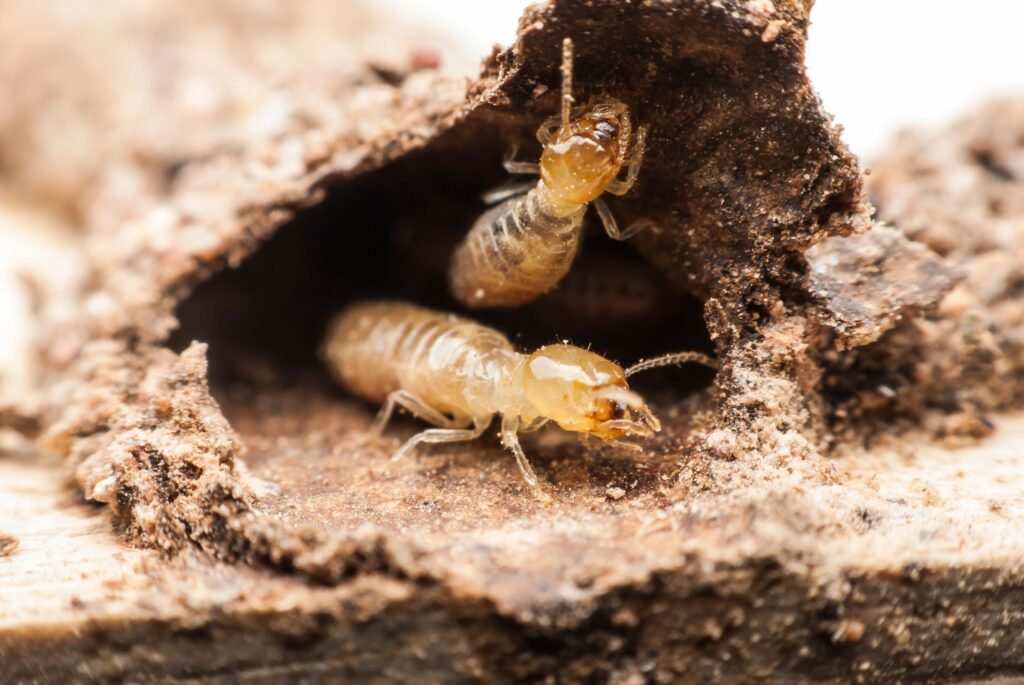
How long does a termite inspection take for a house that hasn’t been checked in years? For most Sydney homes, a thorough inspection takes a few hours, depending on the property’s size, condition, and accessibility. In this guide, we’ll explain what happens during the inspection, what to expect from the report, and how to prepare your home so the inspector can check as much as possible.
How Long Does a Termite Inspection Take on a Typical Sydney Home?
Allow around two to three hours for an average house, including a walk-through of the findings at the end. Being home for the inspection is worth it, because you can point out anything that has worried you and hear the results first-hand.
Several things can push the time out. A larger floor area, a second storey, a tight subfloor with low clearance, a roof void that is hard to move through, sheds, garages, decks and a big garden all add ground to cover. So does finding activity, because the inspector then needs to trace how far it goes. A compact home with easy access to the roof and subfloor is usually at the quicker end.
Be wary of a quick walk around the outside. A thorough check covers the inside, the roof void, the subfloor and the yard, and that simply takes time.
What Happens During a Termite Inspection, Area by Area
An inspector works through every part of the property they can safely reach, looking for live termites, damage, and the conditions that attract them. A typical visit covers:
| Area | What the inspector checks |
|---|---|
| Interior | Skirting boards, door and window frames, architraves and wet areas such as bathrooms and laundries |
| Roof void | Accessible roof timbers and framing |
| Subfloor | Accessible timbers under the house, plus ventilation and drainage |
| Exterior | Walls, weep holes, the slab edge and anything built up against the house |
| Yard | Fences, sheds, decks, retaining timbers, stumps and trees up to around 50 metres from the home |
Inspectors tap timber to listen for hollow sections, probe suspect spots and use a moisture meter to find damp areas termites are drawn to. A thermal imaging termite inspection adds another layer, picking up temperature differences on wall surfaces that can point to activity behind them, without cutting in. At Apex, our termite inspection in Sydney uses thermal imaging cameras and moisture meters alongside these checks.
It is important to know the limits. A standard inspection is visual and non-invasive. Inspectors do not cut into walls or lift fixed flooring unless you agree to it in writing, and they do not move heavy furniture or stored goods, so anything hidden behind them is noted as inaccessible.
Not sure when your home was last checked? Book a same-day termite inspection and find out where you stand. Phone 0468 288 969 or use the enquiry form on our termite treatment Sydney page.
What Should Be in a Termite Inspection Report
The visit is only half the value. The written report is what you keep, act on and compare against next time, so always ask for it in writing. A useful report should set out:
- Every area that was inspected, and every area that could not be reached, with the reason.
- Any live termites, termite damage or other timber pest activity that was found.
- Conditions that make the home more attractive to termites, such as damp areas, poor ventilation, or garden beds against the walls.
- Clear recommendations, including a termite management plan if activity was found.
- When the next inspection is due.
If the report lists large inaccessible areas, ask what it would take to open them up. You can also ask whether the inspection was carried out in line with AS 4349.3, the Australian Standard for timber pest inspections, since following it is not compulsory.
When a Termite Check Is Overdue
If you cannot remember your last inspection, it is probably time. The general advice is an annual termite inspection, with more frequent checks in high-risk spots, and our guide on how often to book an inspection covers that in more detail.
Some situations make booking more urgent. These signs you need a termite inspection soon include winged termites flying out of a wall or window frame, floorboards that have turned soft or spongy, mud trails on brickwork or stumps, and timber that sounds hollow when you tap it. Renovations, new paving or garden beds built up against the walls can also bridge an existing barrier. For the full list of warning signs, see our guide to the termite species most common in Australia, and if the floor is the worry, read our guide to telling water damage from termites in soft floorboards.
What You Should Do Before Your Termite Inspection
Work through this termite inspection checklist in the days before the visit.
1. Find Your Last Inspection or Treatment Paperwork
Old reports, treatment certificates, or barrier details tell the inspector what has been done before and what to check first. If you cannot find anything, simply say so when you book.
2. Note Anything That Has Worried You
Jot down soft boards, cracked paint on frames, mud on wall,s or a swarm you noticed last spring. Leave those spots exactly as they are, because disturbing termites can send them deeper out of sight.
3. Clear Access to the Roof Void and Subfloor
Move boxes away from the manhole, clear the path to the subfloor entry, and shift stored items away from garage and shed walls. Anything the inspector cannot reach is recorded as inaccessible.
4. Unlock Gates and Outbuildings
Sheds, garage,s and side gates are part of the job. Unlock them, and keep pets secured so the inspector can move around the yard freely.
5. Book a Time When You Can Be Home
Choose a time when you can be there for the walk-through at the end. That is when you will hear what was found and can ask what the report means for your home.
Conclusion
So, how long does a termite inspection take? For most Sydney homes, around two to three hours, and that time shows you what is going on in the parts of the house you never see. A thorough inspection checks inside, the roof void, the subfloor and the yard, and ends with a written report that tells you what was found and what to do next. If your last check is a distant memory, our licensed and insured team offers same-day service, is available 24/7, and backs any treatment we carry out with warranty terms confirmed after inspection.
Book your inspection today. Call 0468 288 969 or request a termite inspection online. Licensed and insured, same-day service and help 24/7. Warranty terms are confirmed after inspection.
Frequently Asked Questions
1. How Long Does a Termite Inspection Take for a Two-Storey House?
Expect it to run longer than an average house. The extra floor area, larger roof void, and more walls to check all add time, and so does any activity that needs to be traced.
2. Do I Need a Termite Inspection If I Have Not Seen Any Termites?
Yes. Termites usually work out of sight, so an absence of visible signs is not proof the home is clear. Regular checks are designed to catch activity before the damage is obvious.
3. What Should I Do If My Inspection Reveals Termites?
Leave the area undisturbed and go through the report’s recommendations with your inspector. The treatment plan depends on the species, where the activity i,s and how the home is built, so ask what each option involves before you decide.
4. What Changes the Cost of a Termite Inspection?
The size of the home, its construction style and how easy the roof void, subflo,or and outbuildings are to access all affect the scope of the job. Ask for a quote based on your property rather than a flat figure that may not cover everything.
5. Does a Building Inspection Include Termites?
Not always. A building inspection and a timber pest inspection are covered by separate Australian Standards, so check that termites are specifically included before you book.
6. How Long Is a Termite Inspection Good For?
A report reflects the home on the day it was inspected. Termites can arrive at any time afterwards, which is why inspections are generally recommended at least every 12 months.
How our treatment warranties work
Warranty cover, duration and conditions are confirmed after inspection, based on the pest, infestation, property conditions and agreed treatment plan. Follow the preparation, treatment and prevention recommendations provided by your technician. Contact Apex if activity returns so we can assess it under your agreed warranty terms.
Reinfestation, access limitations and changing property conditions can affect results. A return visit or additional treatment is assessed under the terms agreed for your job; it is not automatically free. We explain those terms and honour the warranty agreed for your treatment.
Bed bug warranty
Our standard bed bug warranty is 1 month from the date of the first treatment, with cover and conditions confirmed after inspection. Longer cover may be discussed based on the inspection findings and completion of the treatments and recommendations specified by your technician; it is not automatic. Contact Apex if activity returns so we can assess it under your agreed terms.