
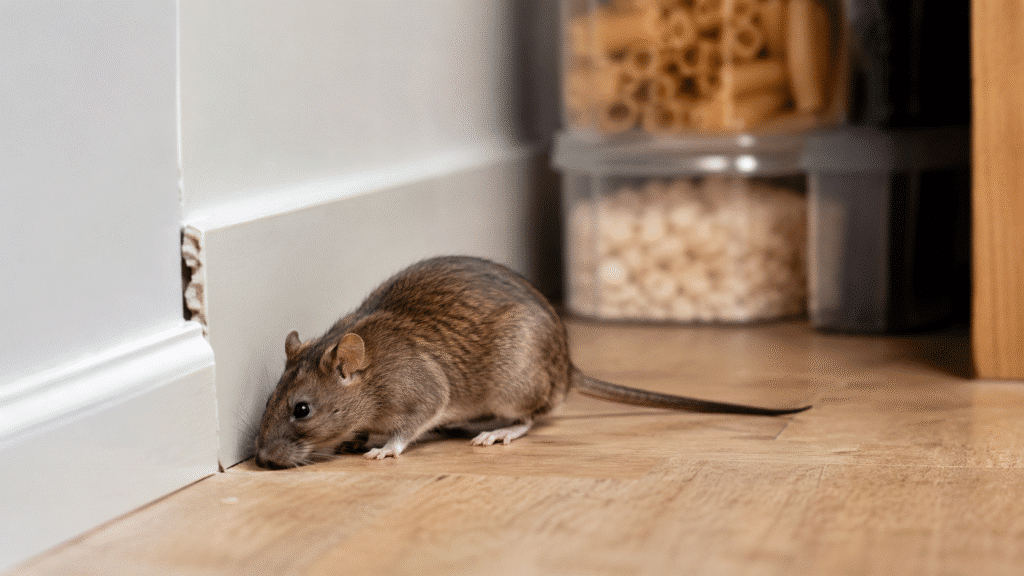
Rat poison is made to be eaten, and that is exactly what makes it dangerous in a home with a curious dog or a crawling toddler. Baits rarely stay where they were placed, and the harm often shows up days later. Here is how exposure happens and what to do about it.
The NSW Poisons Information Centre at The Children’s Hospital at Westmead takes around half of all poisoning calls made in Australia. When the ACCC analysed a full year of the centre’s consumer product calls, more than half involved children under five. Rodent bait deserves more attention in that picture than most parents give it.
Rat activity in Sydney climbs when cooler nights push rodents into roofs, sheds and wall cavities, which is also when households reach for bait blocks and pellets. During rodent inspections, the Apex Pest Control team often finds old bait in places nobody intended, from under decks to behind laundry cabinets.
Why Rat Poison Rarely Stays Where You Put It
Rats are hoarders. They carry pellets and broken block pieces back to the nest or stash them in hidden caches, so bait placed in the roof can end up inside a wall, under the floorboards or out in the garden.
Common ways bait spreads through a home include:
- Loose pellets thrown into the ceiling space slipping through gaps around downlights and cornices
- Rats dragging blocks from the garage to burrows under decks, pavers and garden beds
- Rain and hosing washing crumbled bait into lawns where dogs sniff, and children play
Most rat poisons are made with grain, wax and flavour attractants, and a hungry dog or inquisitive toddler finds them just as appealing.
What Happens When a Dog Eats Rat Bait?
Most household baits are anticoagulants, which stop the blood from clotting properly. The catch is timing. A dog that eats bait on Monday can seem completely normal until Thursday or Friday, when internal bleeding finally begins to show.
Signs of rat poisoning in dogs include:
- Lethargy, weakness or reluctance to go for a walk
- Pale gums and faster breathing
- Coughing, swollen joints or sudden limping
- Bruising on the belly, nosebleeds or blood in urine or stool
If you even suspect your dog ate rat poison, ring your vet straight away. Vitamin K1 treatment works best when it starts before symptoms appear.
Why Toddlers Are Most at Risk From Rodent Bait
At crawling height, toddlers sit closer to bait than anyone else in the house. Pellets and blocks are usually dyed blue or green, which can make them look like lollies, cereal or the dog’s kibble.
Exposure often happens in spots parents never check. Grandparents’ homes, rental properties and holiday houses can have forgotten bait tucked behind the fridge or under the sink. If a child ate rat bait, keep the packet, because the active ingredient on the label shapes the medical advice you will receive.
Secondary Poisoning Risks From Rats That Ate Bait
Anticoagulant baits don’t work fast. A poisoned rat can take several days to die, and as it weakens, it loses its usual caution, wandering across open lawns and patios in broad daylight. That easy target is exactly what a terrier or the family cat will chase.
The poison stays in the rodent’s body, so any animal that eats it takes on part of the dose. Native owls hunting around Sydney’s bushland suburbs are exposed the same way, and Australian studies have found rodenticide residues in owls. Remove dead or dying rodents promptly with gloves, and if one dies somewhere you can’t reach, you may soon notice a dead rat smell in your roof.
Worried about bait around your pets or kids? Call 0468 288 969 for rodent control Sydney households can trust, using secured stations and no loose baits.
Pet Safe Rat Control Around the Backyard
There is no such thing as a truly pet-safe rat poison. Real safety comes from how control is set up and from removing the food and shelter that attract an outdoor rat in the first place.
Practical changes that make a difference:
- Pick up fallen fruit and clear spilt seed below bird feeders
- Bring pet bowls inside overnight and keep pet food in sealed tubs
- Use enclosed compost bins with a mesh base
- Cut back branches and vines so they don’t touch the roofline
If rats keep returning, rodent exclusion services in Sydney focus on sealing roof gaps, vents and pipe entries, and the same approach supports mice control around the home.
How Professional Rat Pest Control Protects Your Family
Professional pest control in Sydney homes looks very different from a box of pellets off the hardware shelf. Baits sit inside locked, tamper-resistant stations that are fixed in place so a dog can’t carry them off, and they are set along the runways rats actually use rather than in open areas.
Apex Pest Control records where every station is placed, returns to check activity and removes stations once the job is finished, so nothing is left behind for a child to discover. When choosing a rat exterminator Sydney families can depend on, ask how baits will be secured, tracked and collected before you book.
What to Do Before Using Rat Bait at Home
Most bait accidents happen because poison goes down in a rush, often before anyone has checked what the problem actually is. Working through these steps first keeps your family safer and gives you a far better result.
Confirm Rats Are Actually Active
Look for fresh droppings, gnaw marks on skirting boards or cables, greasy rub marks along walls and scratching in the ceiling at night. Droppings that are dark and soft point to current activity, while dry, crumbly ones may be old. Knowing where rats are moving tells you whether bait is needed at all.
Clear Out Old and Forgotten Bait First
Before adding anything new, check garages, sheds, roof hatches and cupboards for bait left by previous owners or tenants. Old pellets break down, get carried off and are easy for kids and pets to find, so bag them up and remove them from reach.
Choose a Locked Station Over Loose Pellets
If you do use bait, pick a lockable, tamper-resistant station that needs a key to open. Loose pellets scattered in a roof or garden can’t be tracked or collected, which is how most household exposures begin.
Handle Dead Rodents and Leftovers With Care
Wear gloves, double-bag any dead rodent and place it in a sealed outdoor bin. Store unused bait in its original packaging, up high and locked away, and dispose of it as the label directs rather than leaving it in the shed.
Know When to Call for Rodent Removal in Sydney
If you keep finding droppings, hear noises in the ceiling or have young children and pets at home, DIY baiting carries more risk than reward. Professional rodent removal in Sydney finds the entry points, sets up secure control and follows through until activity stops.
Conclusion
Rat poison is designed to be eaten, which is why it carries real risk in homes with pets and young children. Bait moves, poisoned rodents stray into the open, and symptoms often appear days later. Securing bait, removing food and shelter and knowing who to call keeps you in control. If rats are active around your property and you would rather not gamble with loose pellets, book an inspection with a licensed provider of rodent pest control Sydney homeowners recommend. Our pest control Sydney service offers same-day visits, secured stations and a clear plan built around your household.
Protect your family today. Call 0468 288 969 for a same-day rodent inspection, backed by a 6-month warranty.
Frequently Asked Questions
1. Is rat poison dangerous for dogs even in small amounts?
Yes. Some baits are toxic in very small doses, and smaller dogs are affected by less. Call your vet as soon as you suspect exposure rather than waiting for symptoms.
2. Can rats carry bait out of a bait station?
Loose pellets can be carried off from open or unsecured stations. That is why rat control in Sydney homes with children relies on blocks fixed to rods inside locked stations, which keeps bait exactly where it was placed.
3. What does rat bait look like?
Most baits come as small pellets, wax blocks or paste sachets, usually coloured blue or green. To a toddler, they can resemble lollies, and to a dog, they smell like food.
4. How do I know if my dog ate a poisoned rat?
You might find a partly eaten rat or see your dog chasing a sluggish rodent in daylight. Call your vet even if your dog seems fine, as signs can take days to appear.
5. What are the best rat traps for outdoor use around pets?
Snap traps set inside lockable, weatherproof boxes along fences and walls work best. The box lets rats in while keeping curious paws and noses out.
6. Does Apex offer pet-safe rodent treatment in Sydney?
Yes. Every rodent treatment Sydney customers book is planned around the children and pets in the home, using tamper-resistant stations, careful placement and follow-up checks. Our service is licensed, insured and backed by a 6-month warranty.