

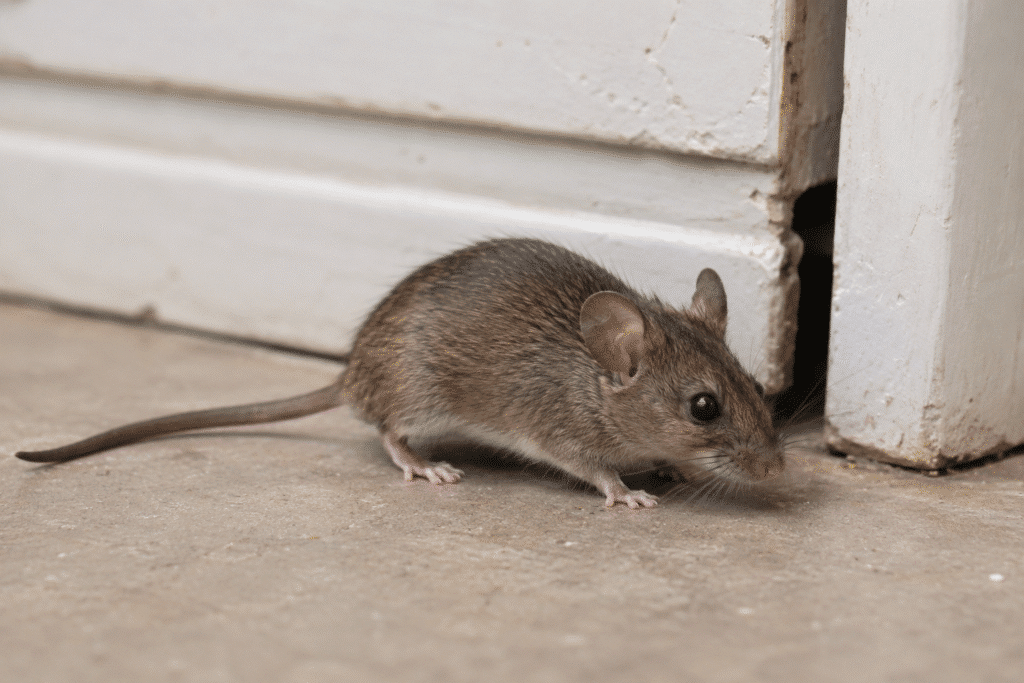
Few household smells are worse than the one drifting down from your ceiling right now. If a sharp, sour odour has taken over a bedroom or hallway and grows stronger by the day, a rat has most likely died somewhere in your roof void. A dead rat smell in roof spaces is one of the most common rodent complaints across Sydney, and it is very fixable once you know what you are dealing with.
The smell is only part of the problem. A decomposing carcass draws in flies, maggots and carpet beetles, and it can leave a stain on your plasterboard if it is lying directly on the ceiling. It also tells you something important: rats were living in your roof, and where one rat has been, others usually follow.
Homes across Sydney and wider NSW see roof rat activity all year, with a noticeable spike when cooler weather pushes rodents indoors through gaps around eaves, rooflines and pipework. This guide explains why the smell happens, how to remove the source safely, and how to make sure it never comes back. If you would rather not crawl through the roof yourself, the licensed team at Apex Pest Control locates and removes dead rodents across Sydney, often on the same day.
Why Is There a Dead Rat Smell in Your Roof?
Rats reach roof voids through surprisingly small openings: lifted roof tiles, gaps where pipes and cables enter the house, unscreened vents and overhanging tree branches. Once inside, they set up nesting sites in insulation and wall cavities, where it is warm, dark and safe from predators.
Rats die in roofs for a few common reasons:
- They have eaten poison baits laid on your property or a neighbouring one, then retreated to the nest before dying.
- They have become trapped or dehydrated in the roof cavity during hot Sydney weather.
- They have died of injury, illness or old age within an established colony.
Whatever the cause, the carcass keeps releasing odour until it is removed or fully decomposed. It is also a warning sign that an active infestation may still be present above your head.
What Does a Dead Rat Smell Like and How Long Does It Last?
Most people describe it as a mix of rotten eggs, sewage and sickly-sweet decay. A decomposing rat releases gases, including sulphur compounds and methane, and these seep through downlights, ceiling joins and vents into the rooms below. The odour usually peaks within the first week.
How long it lingers depends on the size of the rat, the temperature in the roof void and how much airflow the space gets. In warm weather, the carcass breaks down faster but smells far stronger. In cooler months, decomposition slows, and the smell can hang around for several weeks, which is why waiting it out is rarely a good plan.
How to Find the Dead Rat in Your Roof
Locating the carcass is often the hardest part of the job. Start by following your nose from room to room, since the smell is usually strongest directly below or beside the body. Other clues include clusters of blowflies at a window, a small damp mark on the ceiling, or droppings and grease trails along the rats’ regular runways.
A professional rodent exterminator works through this systematically, carrying out a full roof void inspection that covers insulation, wall cavities, ducting and the awkward corners a torch from the manhole never reaches. That thoroughness is usually what finds the source in a single visit.
How to Eliminate Dead Rat Odour Safely
Once the carcass is found, removal needs to be done carefully. Rats can carry bacteria such as leptospirosis and Salmonella, so protective gear is not optional. Wear disposable gloves and a mask, double-bag the body, remove any soiled insulation, and dispose of everything in a sealed outdoor bin.
Sanitation matters just as much as removal. The fluids left behind keep smelling and keep attracting insects, so the spot should be treated with a disinfectant or enzyme cleaner. After treatment, air the house out and use odour absorbers such as baking soda or activated charcoal to clear what remains. A licensed pest exterminator handles the removal, disinfection and deodorising in a single visit.
Need the smell gone today? Call Apex Pest Control on 0468 288 969 for same-day dead rodent location and removal anywhere in Sydney.
Why Rats Keep Dying in Your Roof (and How to Stop It)
A dead rat is a symptom. The real problem is that rodents can get into your roof at all, and one carcass often means a colony is breeding above your ceiling. Remove the body without dealing with the infestation, and the smell will be back within months.
Lasting results come from pairing eradication with exclusion: professionally placed traps and secured bait stations to deal with the current population, followed by sealing the gaps, vents and roofline openings rats use to get in. This combined approach underpins effective rodent control in Sydney, and it is how Apex delivers long-term control rather than a quick patch-up. For properties with repeat activity, an ongoing rodent pest control plan keeps pressure on the population through every season.
What to Do When You Find a Dead Rat Smell in Your Roof
Find the Source of a Dead Rat Smell
Start by following the smell through different rooms, and note where it’s strongest. Look for other clues, such as clusters of flies, small ceiling stains, rat droppings, or grease marks around roof access points. In many cases, the carcass will be sitting in insulation, near ducting or inside a difficult-to-reach section of the roof void.
Safely Remove and Dispose of a Dead Rat
Once you locate the carcass, avoid touching it with bare hands. Wear disposable gloves and a protective mask, place the rat into a strong plastic bag, then seal it inside a second bag before putting it in a closed outdoor rubbish bin. Avoid sweeping or vacuuming droppings and contaminated dust around the area, as this can spread particles through the roof space.
Disinfect and Remove Dead Rat Odour
Removing the carcass will reduce the smell, but the surrounding area may still contain fluids, bacteria, and lingering odour. Clean the affected surface with an appropriate disinfectant or enzyme-based cleaner and remove any insulation that has been heavily soiled. Ventilating the property and using odour absorbers such as activated charcoal can also help clear the remaining smell faster.
Seal Roof Gaps and Stop Rats Getting Inside
Once the immediate problem is handled, inspect the roofline for the openings rodents may have used to enter. Common access points include damaged roof tiles, gaps around pipes and cables, unscreened vents, and small openings around eaves. Trim branches that touch or overhang the roof as well, as rats can use them as an easy pathway into the roof cavity.
Book a Professional Rodent Inspection
If the smell is difficult to trace, the roof space is unsafe to access, or you continue hearing scratching after the carcass has been removed, a professional inspection is the safer option. A licensed pest technician can check hidden areas, identify signs of an active infestation, and locate potential nesting sites. They can also recommend trapping, baiting and exclusion measures to reduce the risk of rats returning.
Conclusion
A dead rat smell in your roof should not be ignored, as it often points to a carcass hidden in the roof void and may also indicate ongoing rodent activity. Removing the source, disinfecting the affected area and improving ventilation will help clear the odour, but prevention is just as important. Gaps around rooflines, vents, pipes and damaged tiles should be sealed to stop rats from getting back inside. Apex Pest Control provides professional rodent inspections, emergency pest control in Sydney, and ongoing pest control services to help homeowners locate dead rodents, treat contaminated areas and identify entry points before the problem returns. If the smell is strong, persistent or difficult to trace, book a professional inspection and get the issue handled safely.
Frequently Asked Questions
How do I get rid of a dead rat smell in my roof?
The only reliable way to get rid of a dead rat smell in roof cavities is to remove the carcass, disinfect the area and ventilate the home. Odour absorbers help with what lingers afterwards, but they cannot fix the problem while the source remains.
How long does a dead rat smell in the ceiling?
If you don’t remove the carcass, the smell typically lingers for two to four weeks, and sometimes longer, in cool weather. Warm Sydney conditions speed up decomposition but make the odour much more intense while it lasts.
Is the smell of a dead rat harmful to my health?
The odour itself is unpleasant rather than dangerous, but the carcass can harbour bacteria and attract flies and mites into your living areas. That is why safe removal and disinfection matter more than masking the smell.
Can I just leave the dead rat in the roof until the smell goes?
You can, but you will live with a strong odour for weeks and risk secondary problems such as fly infestations, mites and ceiling stains. Removal is faster, cleaner and confirms whether other rodents are still active in the roof.
How much does dead rat removal cost in Sydney?
Costs vary with roof access and how hard the carcass is to locate, so Apex provides free, no-obligation quotes before any work starts. General pest control starts at $89, and every treatment comes with a 6-month warranty.
How do I stop rats getting into my roof again?
Seal roofline gaps, screen vents, trim overhanging branches, and keep food waste secured. Pairing this with a professional prevention program is the most effective long-term protection for your home.
