
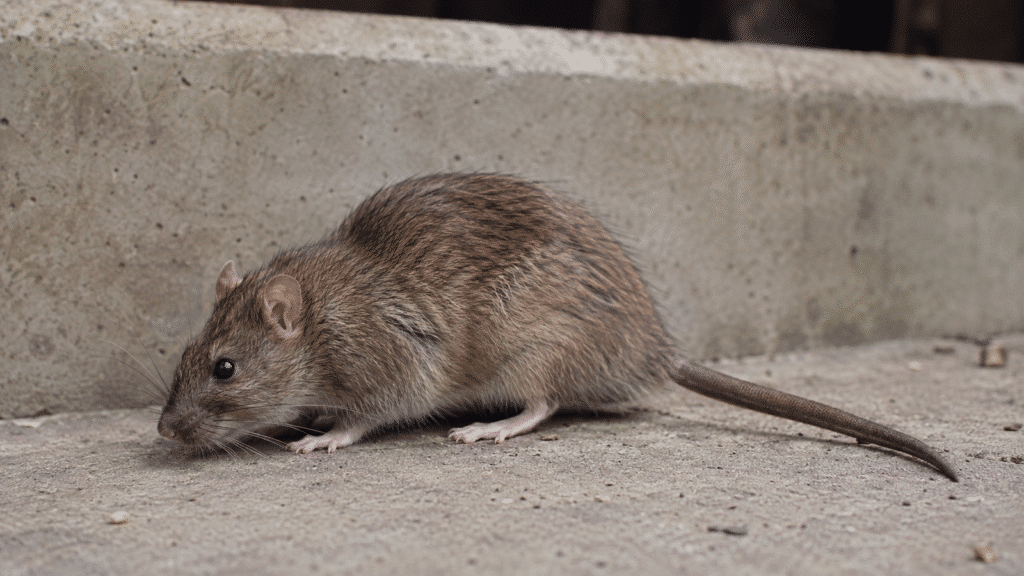
Rodents are among the most common and frustrating pests found in Australian homes and business properties. Rats and mice can cause significant property damage, contaminate food, chew electrical wiring, and spread harmful diseases.
Once rodents establish themselves, the situation worsens quickly, as they multiply fast. This is why homeowners and property managers must understand what attracts rodents to their property and address those issues permanently.
By eliminating the causes, you can prevent infestations before they start and maintain a clean, safe, and protected environment.
What Is Attracting Rodents to Your House?
Rodents are clever, adaptable, and always searching for three essentials: food, water, and shelter. If your property provides these, it becomes the ideal place for them to nest and reproduce.
Food Sources
Open rubbish bins, food scraps, pet food bowls, leftovers, and unsealed pantries offer a constant food supply. Rodents are nocturnal feeders and will travel far when they know food is available.
Shelter and Warmth
Rats and mice look for safe places to nest. Garages, roof cavities, basements, wall cavities, sheds, and storage rooms give them ideal shelter, especially during colder months.
Water Sources
Leaking pipes, dripping taps, clogged gutters, outdoor water bowls, and standing water can attract rodents, as they require a reliable water source to survive.
Overgrown Landscaping
Thick bushes, long grass, overgrown shrubs, wood piles, and garden beds close to walls create perfect hiding spots and burrow sites. Unmaintained yards give rodents direct access to your home or business.
Clutter and Storage Areas
Timber piles, cardboard boxes, stored fabrics, and unused household items create easy hiding and nesting spots. The more cluttered an area is, the easier it is for rodents to stay unnoticed.
Permanent Solutions to Fix These Issues
Preventing rodents is easier than removing them once they multiply. Seal gaps, store food in airtight containers, repair leaks, reduce clutter, and maintain landscaping to minimise the need for rodent control in Melbourne. Using rodent-proof materials and conducting regular inspections will help stop rats and mice from returning.
Seal All Entry Points
Rodents can squeeze through very small openings. Check garage doors, windows, walls, vents, screens, and roof gaps. Use steel wool, mesh, or cement to block access points.
Store Food Properly
Keep food in airtight containers. Don’t leave pet food outside. Ensure bins and compost heaps are sealed so rodents can’t access food around your property.
Repair Water Leaks and Drainage Issues
Fix leaking gutters, pipes, and taps. Remove standing water in the garden. Proper drainage prevents rodents from using your property as a water source.
Reduce Clutter
Keep sheds, garages, and storage areas organised. Use plastic or sealed containers instead of cardboard. Removing unnecessary items limits nesting opportunities.
Maintain Landscaping
Trim bushes and trees, mow lawns regularly, and keep garden beds away from walls. Store firewood off the ground. Good landscaping removes hiding places and blocks easy access.
Use Rodent-Proof Materials
Install metal plates, pipe guards, and mesh screens on vents. Door sweeps can also be used by businesses. Rodent-proof materials help stop pests from entering and damaging buildings.
Routine Property Inspections
Look for droppings, gnaw marks, nests, or scratching sounds. Detecting signs early allows quick action before a small issue grows into a major infestation.
Professional Pest Control
If the rodent issue is severe, contact licensed technicians for effective rat pest control, mouse control, and long-term rodent extermination. Professionals identify nesting sites, block access points, and implement safe treatments to prevent future infestations.
Residential vs Commercial Rodent Prevention
For Homes
Homeowners should focus on food storage, sealing entry points, decluttering, and keeping gardens trimmed. These steps reduce the chances of needing rat pest control or mouse control services later.
For Businesses
Commercial properties must follow strict waste management and schedule professional inspections. Food-handling venues and warehouses especially benefit from routine commercial rodent control to meet safety standards and avoid costly infestations.
Final Thoughts
Rodent infestations don’t happen randomly. Something in or around your property, such as food waste, clutter, standing water, or gaps in the structure is attracting them. Identifying and correcting these issues early will make your home or business far less appealing to rodents.
Simple steps like sealing cracks, managing rubbish, clearing clutter, and maintaining your garden greatly reduce the risk of future infestations. With good housekeeping practices and the support of Apex Pest Control when needed, you can protect your property safely, effectively, and long-term.
Frequently Asked Questions
What are the best ways to rodent-proof my home or business?
Seal gaps, store food properly, reduce clutter, trim gardens, and fix moisture issues. Regular pest inspections help maintain long-term protection.
What are the early signs of rodent infestations?
Common signs include droppings, scratching noises, chewed items, strange odours, oily rub marks, and shredded nesting materials.
Should I use DIY rodent control or hire a professional?
DIY traps may offer temporary results, but professionals provide long-term solutions by locating entry points, nests, and creating prevention strategies.
Are rodent control methods safe for pets and children?
Licensed pest controllers use approved products and techniques designed to be safe when handled correctly. Always follow the provided safety instructions.
How can I ensure rodents don’t return?
Maintain cleanliness, block entry points, keep the garden tidy, and manage food and waste properly. Schedule routine inspections for ongoing protection.