
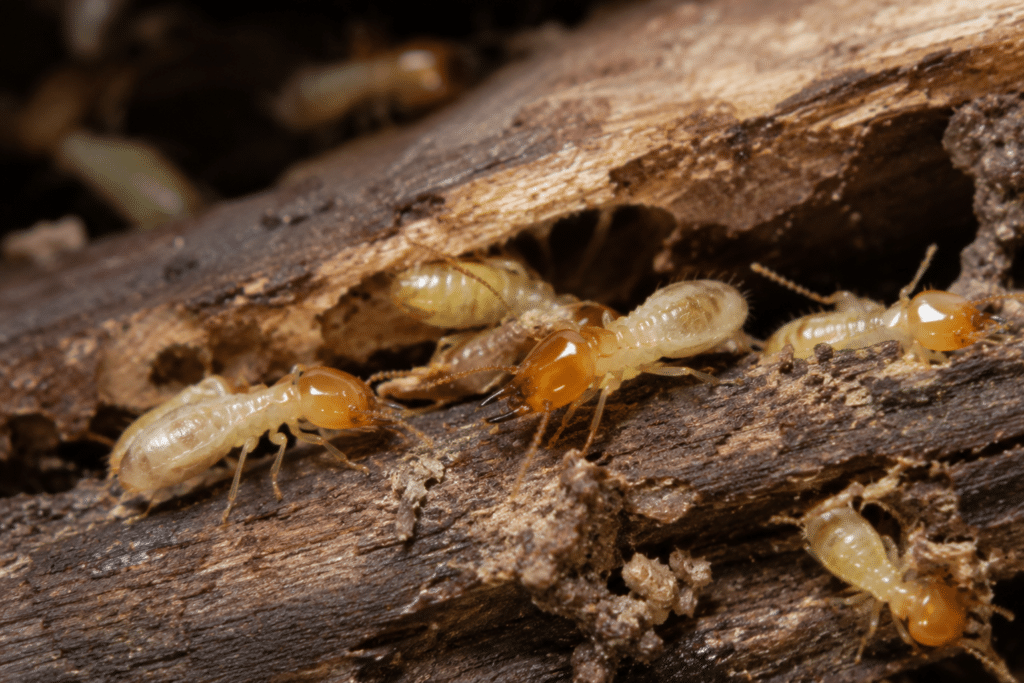
You have been told your home needs termite treatment, or you want it protected before termites arrive, and now you are comparing termite treatment options: termite baiting, a chemical termite barrier and a termite reticulation system. The best termite treatment for a Sydney home depends on whether termites are active right now, how the home is built and what surrounds it.
As a general guide, termite baiting suits homes with active termites where the soil cannot be treated or the nest cannot be found. A chemical termite barrier suits most existing homes that need continuous protection around the building. A termite reticulation system suits homes where paving and gardens make repeat trenching and drilling impractical. Many Sydney homes end up using more than one.
This guide compares each termite treatment option for Sydney homes, explains where each one works best and what upkeep it needs, and covers what to do before you choose.
Termite Treatment Options Compared: Baiting vs Barrier vs Reticulation
| Termite treatment | How it works | Best suited to | Ongoing upkeep |
|---|---|---|---|
| Termite baiting | Termites feed on bait and share it through the colony | Sites where a treated zone cannot be installed, or the nest cannot be found | Regular station checks under a service plan |
| Chemical termite barrier | A continuous treated zone in the soil around the building | Most existing homes that need perimeter protection | Yearly inspections, and re-treatment when the label period ends |
| Termite reticulation system | Pipes around the building deliver termiticide into the soil | New builds and heavily paved or landscaped homes | Yearly inspections, plus refills at the label interval |
No single system is the most effective termite treatment in Australia for every property. Each one can fail if it is the wrong fit for the site, or if the upkeep stops.
Termite Baiting: How Termite Bait Stations Work
Termite bait stations are placed where foraging termites will find them. In-ground stations go into the soil around the building, and above-ground stations are fixed directly over active termite workings. The bait is a cellulose material that termites eat like timber, combined with an active ingredient, commonly a chitin synthesis inhibitor, which stops termites from moulting.
The bait in a termite baiting system is deliberately slow-acting and termites do not detect it. Workers keep feeding and carry it back to share with the rest of the colony, which is what makes colony elimination possible.
When Termite Baiting Is the Best Option
- The building or site makes it impractical to install a treated soil zone.
- Termites are active but the nest cannot be located.
- Earlier chemical treatment has not solved the problem.
- You want to limit the amount of liquid termiticide applied around the home.
Limitations of a Termite Baiting System
Termite baiting is not a quick fix. Results can take several weeks or months, depending on the species, the colony size and the time of year. In-ground stations only work once termites find them, and the system depends on stations being checked and serviced regularly. If servicing stops, the protection it offers drops away.
Not sure which termite treatment your home needs? Call 0468 288 969 or book termite treatment in Sydney online, and we will inspect first and explain which option suits your home.
Chemical Termite Barrier: How Soil Treatment Protects Your Home
A chemical termite barrier is a continuous band of registered termiticide in the soil around the building. Garden edges are trenched and treated, concrete paths are drilled and injected, and subfloors are treated at ground level around the footings. Subterranean termites have to pass through this zone to reach the home from the soil, which makes a chemical soil treatment a practical retrofit termite barrier for a home that is already built.
Termiticides fall into two groups. Repellent products turn termites away, so any gap in the zone is a way through. Non-repellent products cannot be detected, so termites forage into the treated soil and carry the active ingredient back to others in the colony.
When a Chemical Termite Barrier Is the Best Option
- The home is already built and has no working barrier in place.
- The previous treatment has passed its label period or been disturbed.
- Active termites have been treated and the home now needs protecting.
- The soil around the whole building can be reached by trenching and drilling.
Limitations of a Chemical Termite Barrier
The treated zone only protects the home while it stays continuous. New garden beds, paving, plumbing trenches and extensions can all break or bridge it. It also has a limited life, set by the product label and affected by site conditions, so the durable notice in your meter box should record what was applied and when.
Termite Reticulation System: How Refillable Pipes Work
A termite reticulation system is a network of pipes laid around the building, connected to fill points. When the treated zone is due for renewal, termiticide is pumped through the pipes and into the soil, so gardens do not need to be dug up and paths do not need to be drilled each time.
A termite reticulation system is not a separate type of protection from a chemical termite barrier. It is a way of applying and renewing one, so the same termiticide rules and label periods apply.
When a Termite Reticulation System Is the Best Option
- You are building new and can have the pipes laid during construction.
- The home is surrounded by paving, tiles or established gardens.
- You want future top-ups to cause as little disturbance as possible.
Limitations of a Termite Reticulation System
It costs more to install than a one-off soil treatment, and the savings come later through easier reticulation refills. The system also has to be looked after. Lines should be tested, refills must be done at the label rate and interval, and fill points need to stay accessible. A system that has never been refilled is not protecting the home, even though the pipes are still in the ground.
Physical Termite Barriers for New Homes in Sydney
Physical barriers are a fourth option, mostly for homes that have not been built yet. Stainless steel mesh, graded stone, membranes and pipe collars are installed during construction, which is why termite protection for a new build has to be booked before the slab is poured. They use no soil chemicals, but they cannot be slid under a slab that already exists.
Physical barriers do not kill termites. They stop concealed entry and force termites into the open, where an inspection can find them.
Can You Combine Termite Baiting and a Termite Barrier?
Yes, and it is common. Termite baiting or a direct treatment often deals with active termites first, and a soil treatment then protects the building. New homes may have physical collars at pipe penetrations with a chemical perimeter added once the landscaping is finished, or with reticulation so that the chemical zone can be renewed.
The order matters. A barrier alone is not meant to deal with termites that are already feeding inside the house, so active termites are normally dealt with first. Comparing every termite barrier in Sydney on price alone misses this, because the right plan starts with what is happening at your property today.
How to Choose the Best Termite Treatment for Your Sydney Home
A licensed technician will look at these factors before recommending a termite control option:
- Active termites: whether termites are working in the building now, and where.
- Floor type: a concrete slab and a suspended timber floor on piers need different treatment.
- What surrounds the home: soil, garden beds, paths, paving, retaining walls and neighbouring structures.
- Existing protection: what the durable notice records, and whether a reticulation system is already in the ground.
- Nearby water and sensitive areas: tanks, ponds, creeks and drains, because many termiticides can harm aquatic life.
- Your household: children, pets and vegetable gardens, and whether termite chemical treatment is safe for how you use the yard.
- Upkeep you will keep up: bait stations and reticulation systems only keep working if they are serviced.
What You Should Do Before Choosing a Termite Treatment
1. Do Not Spray or Disturb Active Termites
If you can see live termites or mud tubes, leave them alone. Spraying or breaking into them can make the termites move, which makes them harder to treat and can stop them feeding at bait stations.
2. Find Your Durable Notice
Check inside your meter box for a notice recording the termite system, the product and the date. If you have bought the home recently, ask for any treatment records.
3. Note What Surrounds the Home
Take note of paths, paving, garden beds, water tanks and ponds, and any plans for extensions or landscaping. All of these can change which option is practical.
4. Ask What the Upkeep Involves
Before you agree to a system, ask how often it must be inspected, refilled or serviced, and what happens if that is missed.
5. Book a Termite Inspection
A termite treatment plan should come from an inspection of your property. A termite inspection shows whether termites are active and how the home is built, which decides the options that will actually work. Australian Standard AS 3660.2 also recommends inspections at least every 12 months, whichever system you choose.
Conclusion
Termite baiting, chemical termite barriers and termite reticulation systems all have a place in termite control in Sydney. Baiting targets the colony where a treated zone is not practical, a chemical barrier protects most existing homes, and reticulation makes that protection easier to renew around paving and gardens. The right choice comes from what an inspection finds at your property.
An experienced pest exterminator should explain why an option suits your home, what it will not do and what upkeep it needs before any work begins.
Call 0468 288 969 to book a termite inspection in Sydney with our licensed and insured team, and get a treatment plan for your home.
Frequently Asked Questions
1. What Is the Most Effective Termite Treatment in Australia?
No one treatment is the most effective for every home. Non-repellent soil barriers and termite baiting both work well when they are installed properly and suit the site. The right choice depends on whether termites are active, how the home is built and what surrounds it.
2. Is Termite Baiting Better Than a Barrier?
They do different jobs. Termite baiting targets the colony through feeding, while a chemical barrier protects the building with a treated zone in the soil. Baiting suits sites where a treated zone cannot be installed, and a barrier suits most homes where the soil can be reached. Many homes use both.
3. How Long Does Termite Baiting Take to Work?
Results can take several weeks or months, depending on the termite species, the size of the colony and the time of year. Termites must first find and feed on the bait, and the active ingredient is slow-acting by design so that it spreads through the colony.
4. How Often Does a Termite Reticulation System Need Refilling?
It depends on the termiticide used, because the product label sets the period. Your durable notice should record the product and date. Regular inspections check whether the system is due for a refill and whether the zone has been disturbed.
5. Can a Reticulation System Be Added to an Existing Home?
Yes, in many cases. Pipes can be retrofitted around an established home, although paths, paving and access affect how the work is done. An inspection will show whether it is practical for your property.
6. Can a Termite Barrier Be Retrofitted to an Existing Home?
Yes. A chemical soil treatment or a retrofitted reticulation system can protect a home that is already built. Mesh, graded stone and membranes cannot be placed under an existing slab, although new pipe penetrations can be collared and extensions can receive a full physical system.
7. What Happens During the Inspection?
The technician checks accessible areas of the home and yard, including the subfloor, roof void, slab edges and timber structures, for live termites, damage and conditions that attract them. You are then told what was found and which treatment options suit the home.
8. What Affects the Treatment We Recommend?
Our recommendation depends on whether termites are active, the floor type, what surrounds the home, any existing system and nearby water or sensitive areas. It also depends on how much ongoing servicing suits you.
9. Do I Still Need Inspections After Termite Treatment?
Yes. No termite system removes the need for inspections. AS 3660.2 recommends inspections at least every 12 months, and more often in high-risk areas, so that any new activity or breach of the system is found early.