

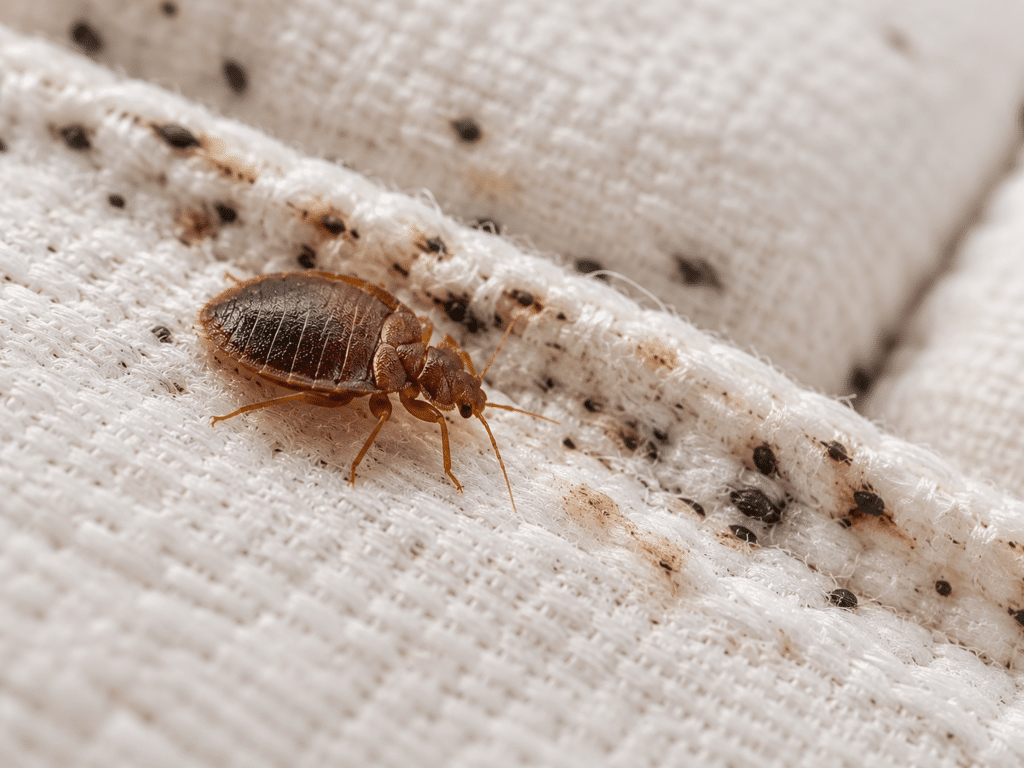
In most cases, no. A mattress with bed bugs can usually be inspected, treated and sealed in a bed bug-proof encasement, and kept. Throwing it out straight away rarely solves the problem, because the bed bugs and eggs hiding in the bed frame, bedside tables, skirting boards and carpet edges stay behind and move onto whatever you sleep on next.
Dragging an infested mattress through your home, hallway or lift can also spread bed bugs to other rooms and other units. That is why a professional inspection should come before any decision to get rid of the mattress.
This guide explains how to check a mattress for bed bugs, how to get rid of bed bugs in a mattress, when replacing it makes sense, and how to dispose of it safely if you do. It is written for Sydney homes, units and share houses, where bed bugs can spread quickly between rooms and neighbours.
Why Throwing Out Your Mattress Rarely Gets Rid of Bed Bugs
Bed bugs live where people sleep, but they do not only live in the mattress. They hide in any crack or seam within a few metres of the bed, including the bed base, headboard joints, bedside drawers, picture frames, power points and the edges of carpet.
If you replace the mattress without treating the room, the bed bugs in those hiding spots simply crawl onto the new one. Many people end up buying a new mattress and still waking up with bites a week later. The mattress is part of the problem, but the room is the full picture.
How to Check a Mattress for Bed Bugs and Spot the Signs
Strip the bed and check the mattress in good light, using a torch and an old card to look into the seams. Focus on these areas:
- Seams and piping around the edges of the mattress, especially near the head of the bed.
- Tufts, buttons and folds on the top and underside.
- Labels and tags, where bed bugs often shelter underneath.
- The bed base or ensemble, including the fabric underneath, corners and staples.
- The bed frame and headboard, particularly joints, screw holes and slats.
Signs of bed bugs on a mattress include the bugs themselves, which are flat, reddish-brown and about the size of an apple seed when fully grown, plus pale shed skins, tiny white eggs and small dark spots of dried blood droppings along the seams. Even a single bug is worth acting on, because finding one bed bug usually means more are hiding nearby.
How to Get Rid of Bed Bugs in a Mattress Without Throwing It Out
Yes. Most mattresses can be treated successfully as part of a whole-room bed bug treatment. A professional technician inspects the mattress, base and frame, treats the seams and surrounding hiding spots using heat or products registered for bed bug control, and treats the rest of the room where bed bugs are likely to shelter. Bed bugs on mattress treatment works best when the bed, the frame and the room are all treated in the same visit.
Because bed bug eggs can survive the first treatment, a follow-up visit is usually needed to catch any bugs that hatch afterwards. Once the mattress has been treated, sealing it in a bed bug-proof encasement traps any remaining bugs inside and stops new ones getting into the seams. Professional bed bug treatment in Sydney covers the mattress, the bed frame and the whole room, with a follow-up visit included in the plan.
When Replacing the Mattress Makes Sense
Sometimes a new mattress is the better option. Replacing it is worth considering when:
- The mattress has rips, holes or split seams that bed bugs can hide inside and a treatment cannot reach.
- The infestation is heavy, with large numbers of bugs, eggs and staining throughout the mattress.
- The mattress is old and was due to be replaced anyway.
- You cannot find an encasement that fits, for example on an unusual size or shape.
Even then, have the room treated before the new mattress arrives. A new mattress placed in an untreated room is likely to have bed bugs within days.
How to Dispose of a Mattress With Bed Bugs Safely
If you do decide to throw out the mattress, take care not to spread bed bugs on the way out.
1. Wrap It Before You Move It
Seal the mattress and base in heavy plastic or a mattress disposal bag in the room, and tape the ends closed, before carrying it through the house or common areas.
2. Label It Clearly
Write “bed bugs” on the plastic in large letters, so nobody picks it up from the kerb and takes it home.
3. Book Your Council’s Bulky Waste Collection
Most Sydney councils run booked clean-up or bulky waste collections. Book it so the mattress is not left outside for days, and check your council’s rules for mattresses.
4. Clean Up Behind It
Vacuum the path the mattress travelled along, then seal the vacuum contents in a bag and put it in the outside bin.
Bed Bug Mattress Encasements: What They Do and How Long to Keep Them On
A bed bug-proof encasement is a zip-up cover that fully encloses the mattress, and ideally the bed base too. It traps any bed bugs left inside, stops new ones getting into the seams and leaves a smooth surface that makes any new bugs easy to spot.
Choose an encasement made and tested for bed bugs, with a fine zip and a zip stop, rather than a standard mattress protector. Keep it on for at least 12 to 18 months. Can bed bugs survive without blood? Yes, for many months, so taking the encasement off too early can release survivors. Check it regularly for tears, and replace it if it is damaged.
What to Do With Sheets, Pillows and Bedding
Bedding is easier to deal with than the mattress, because heat kills bed bugs at every life stage. Research has found that washing at 60°C, or drying on a hot dryer setting for at least 30 minutes, kills bed bugs and their eggs.
- Bag sheets, pillowcases, blankets and nearby clothes in the bedroom, then carry the sealed bags straight to the laundry.
- Wash on a hot cycle where the fabric allows, then tumble dry on the hottest setting for at least 30 minutes.
- Put items that cannot be washed, such as some pillows and soft toys, through a hot dryer cycle on their own.
- Store clean items in sealed bags until the treatment is finished.
Keep checking the rest of the home too, because bed bugs in one room can move into the next through gaps in skirting boards, power points and shared walls.
How to Protect a New Mattress From Bed Bugs
If you do replace your mattress, a few simple steps help stop bed bugs from getting into it:
- Have the room treated before the new mattress is delivered.
- Fit a bed bug-proof encasement as soon as the mattress arrives.
- Pull the bed a little away from the wall, and keep bedding off the floor.
- Avoid second-hand beds, bases and upholstered furniture unless they have been thoroughly checked.
- Check luggage and bags after travel before bringing them into the bedroom, as hotels, public transport and second-hand furniture are among the most common ways bed bugs get into homes.
Conclusion
So, do you need to throw out your mattress after bed bugs? Usually not. Most mattresses can be inspected, treated and sealed in an encasement, and keeping the mattress while the whole room is treated is often more effective than replacing it. A new mattress only makes sense when the old one is damaged, heavily infested or due for replacement, and even then the room needs treating first.
Before you carry anything out to the kerb, book professional bed bug removal in Sydney and have the bed and room inspected by a licensed pest exterminator, so you know exactly what you are dealing with.
Found bed bugs in your mattress? Call 0468 288 969 to book a bed bug exterminator in Sydney, with a licensed and insured technician and a follow-up visit included in the treatment plan.
Frequently Asked Questions
1. Can Bed Bugs Live Inside a Mattress?
Yes. Bed bugs hide in mattress seams, piping, tufts and under labels, and they can get inside through rips or holes. They also hide in the bed base, frame and headboard, which is why the whole bed needs checking.
2. What Do Bed Bugs Look Like on a Mattress?
Adult bed bugs are flat, oval and reddish-brown, about the size of an apple seed. You may also see pale shed skins, tiny white eggs and small dark spots along the seams.
3. Should I Sleep in Another Room if My Mattress Has Bed Bugs?
It is usually better not to. Bed bugs can follow you to a new bed or couch and spread the infestation to another room. Keep sleeping in your own bed until the room has been treated.
4. Will a Mattress Protector Stop Bed Bugs?
A standard protector will not. Use a zip-up encasement made and tested for bed bugs, which fully encloses the mattress and seals any bugs inside.
5. Does Heat Treatment Kill Bed Bugs in a Mattress?
Yes. Heat kills bed bugs at every life stage, including eggs, when the right temperature is reached and held throughout the item. Professional bed bug heat treatment is applied carefully so the heat reaches into seams and folds, and it is usually combined with treatment of the surrounding room.
6. How Long Do I Need to Keep the Mattress Encasement On?
At least 12 to 18 months. Bed bugs can survive for many months without feeding, so removing the encasement too early can let survivors out.
7. Can I Get Rid of Bed Bugs in a Mattress Myself?
Vacuuming, hot washing bedding and fitting an encasement all help, but they rarely remove an infestation on their own, because bed bugs and eggs hide throughout the room. A professional treatment with a follow-up visit gives the best chance of clearing them.
8. Are Bed Bugs Dangerous?
Bed bugs are not known to spread disease, but their bites can be very itchy and cause lost sleep, and scratching can lead to skin infection. Cool compresses, an anti-itch cream from your pharmacist and avoiding scratching are the simplest ways to get rid of bed bug bites while the treatment does its work.